Packed with a variety of professionally designed comic panel layouts, this book is great for adults, children, teenagers–anyone who wants to tell a great story. Every single page is just an invitation to draw, ink on paper, and write your own lives epic stories–no rules, just imagination!
Disclosure: This post may include affiliate links or kdp links. If you click one of them, we may receive a cute commission at no extra cost to you. Thank you.
This special gratitude journal serves as a personal escape for self-reflection planning, and creativity in addition to being a place to write down your blessings. To foster an attitude of gratitude and positivity, each page has specific spaces for writing daily entries.
This journal encourages mindfulness, creative thinking, and personal development – all in one exquisitely designed space – whether it is used in the morning to set a positive tone or at night to wind down and reflect.
Disclosure: This post may include affiliate links or kdp links. If you click one of them, we may receive a cute commission at no extra cost to you. Thank you.
The perfect length that fits in your bag and go with is this 6″ x 9″ travel journal. This book contains ruled pages, allowing you to write freely. No matter where the road takes you, it is sturdy and lightweight, and it has plenty of room for writing down recollections, pasting mementos, and drawing scenes your favourite scenes from the journey.
Disclosure: This post may include affiliate links. If you click one of them, we may receive a cute commission at no extra cost to you. Thank you.
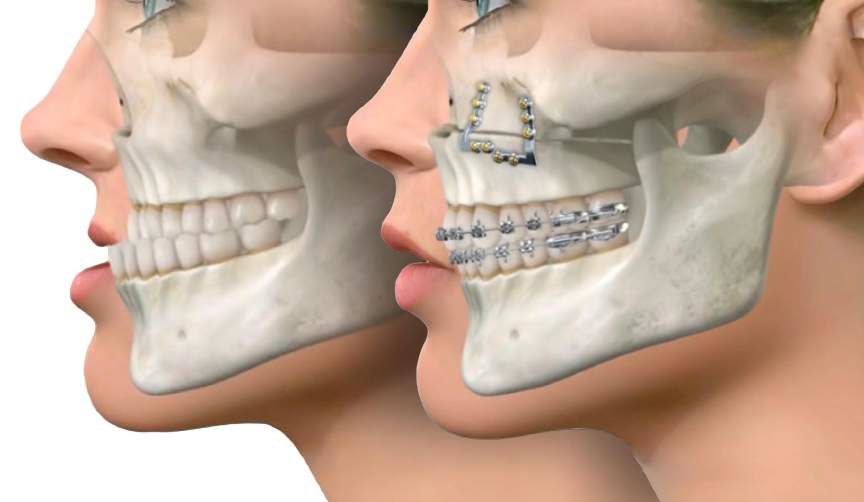
TMJ dysfunctions are disorders that impact the muscles and ligaments that surround your jaw joints. These disorders can lead to a number of problems, such as headaches, jaw discomfort, and trouble opening and shutting your mouth. These problems may be referred to as TMJ. However, “TMD” stands for temporomandibular joint dysfunction, but “TMJ” refers to your actual jaw joint.
Temporomandibular joint disorder is another term for it. Temporomandibular joints, or TMJs, are located right in front of your ears on either side of your face. Your TMJs facilitate speech and chewing by joining your lower jawbone to your skull. TMJ dysfunction surgery may be necessary for some individuals when conservative methods fail to provide relief.
A group of illnesses known as TMJ disorders result in discomfort in the muscles and joints around the jaw. TMJ problems fall into three primary groups and impact various joint components:
Internal joint derangement, such as a displaced disk or joint,
Arthritis that impacts the TMJ
Myofascial discomfort, which impacts the jaw’s controlling muscles.
Other typical reasons are as follows:
Teeth clenching or grinding, dislocation of the jaw and teeth.
Infections associated autoimmune diseases.
Arthritis.
The cause may not always be obvious.
TYPES OF TMJ SURGERY
People who suffer from TMJ may think about having TMJ surgery if their condition is so bad that no other treatment choices are left. Patients should weigh their alternatives and make an informed choice even if TMJ surgery is probably going to be a very successful treatment for the problem. There are three types of TMJ surgeries:
Arthroscopy – The TMJ surgery known as an arthroscopy is often carried out while the patient is sedated. In order to install a long, thin device that contains a light and lens, the surgeon will first create a tiny incision directly in front of the ear. The surgeon will be able to examine the joint’s surroundings by viewing whatever is caught by the lens on a video screen. The surgeon may decide to correct the TMJ disc or remove inflammatory tissue, depending on the underlying reason of the patient’s TMJ pain. Because arthroscopic surgery only requires small incisions, the patient will have less discomfort, scars, and recovery time. There are also less difficulties with this technique.
Arthrocentesis – The procedure known as arthrocentesis is carried out under local anesthetic. Patients who notice that their jaws may abruptly lock while closed are typically advised to have this treatment done. This method involves inserting needles filled with sterile fluids into the afflicted region, then washing the area with the fluids. Occasionally, surgical tools will be needed to remove scar tissue or assist in removing an out-of-place disc. Arthrocentesis has the potential to alleviate temporomandibular joint irritation.
Open Joint Surgery – Open-joint surgery is regarded as a more significant procedure than the others and will be carried out under general anesthesia. To implant equipment during an open operation, a larger incision will be created. For individuals with tumors inside or around the TMJ, bone chips or extensive scarring in the TMJ, or if the components that make up the jaw joint deteriorate, open-joint surgery will be advised. There is a greater risk of nerve damage and tissue scarring with this operation, and it takes longer to recover. To address the issue at its source, this could be the best course of action in situations of severe TMJ pain.
TMD, or temporomandibular joint disorder, can be brought on by a number of things, including arthritis, stress, trauma, and jaw misalignment. Chronic pain and discomfort are among the concerns associated with TMD if treatment is not received. Thankfully, there are several advantages to treating TMD that can help you feel less pain and live a better life.
Improved Jaw Function – Enhancing jaw function and restoring normal jaw joint mobility are achievable with customized TMD medical treatment. Speaking clearly, enjoying your favorite meals, and engaging in social activities can all be hampered by chronic jaw pain. You may restore your ability to perform the activities you enjoy and enhance your dental health and well-being by treating the root cause of your jaw discomfort and receiving individualized care.
Reduction of Pain and Unease – Many patients find that their TMD pain and discomfort significantly improve with expert therapy. Pain and discomfort in the jaw, cheeks, neck, and even shoulders are among the most typical signs of TMJ disease. It may be crippling to eat, talk, or even focus on everyday duties because of this agony.
Decreased Chance of Dental Issues – Treating jaw discomfort not only enhances your quality of life but also helps shield your teeth, gums, and jaw joint from more harm. Teeth grinding, clenching, or misalignment are some of the causes of chronic jaw discomfort. Untreated TMD can result in more severe oral health issues including gum disease, tooth decay, or even irreversible jaw joint injury.
Improved Sleep Quality – Sleep difficulties, such as trouble falling or staying asleep, snoring, or even sleep apnea, are common in persons with TMJ condition. TMD can potentially make the symptoms of sleep apnea worse, leading to a vicious cycle of jaw discomfort and trouble sleeping. However, it is frequently feasible to enhance sleep quality and lower the likelihood of these sleep disruptions by treating TMJ problem.
Improved Emotional Health – Improving physical symptoms and treating TMJ issue can improve your mental health. Anxiety, despair, and other emotional problems can result from chronic pain and discomfort’s negative effects on mental health. In order to achieve better physical and mental health, it is imperative that people with TMJ condition seek expert therapy.
RECOVERY
The purpose of TMJ surgery is to restore your life and let you to consume the foods you enjoy. However, like with any surgery, you must allow your joints to heal.
Additionally, it’s critical to understand the recovery process following TMJ surgery if you’re attempting to determine whether surgery is the best course of action for you. You want to know whether there are any specific post-operative instructions to be aware of, how long recovering takes, and how much pain there will be.
Post Op Instructions
Post-TMJ Surgery Pain Management Temporomandibular joint is referred to as TMJ. It is the joint that joins your skull and jaw. Like the other joints in your body, the TMJ is susceptible to injury or breakdown. You have TMJ dysfunction when that occurs. Disorders of the TMJ can cause discomfort. They prevent you from indulging in your favorite meals. In more extreme situations, you may endure agony that prevents you from living. Pain from the TMJ might be moderate and easily managed. However, if you neglect your joint, the injury may worsen. Additionally, swelling is rather common. Swelling typically doesn’t appear until a day or two following TMJ surgery. Three to four days will pass before it goes away on its own. Using cold packs for 20 minutes at a time for 48 hours following surgery can help control edema. Keeping your head up as you sleep with many pillows will also help prevent swelling.
Handling Injuries Following TMJ Surgery Depending on the sort of TMJ surgery you underwent, you may require stitches. Over time, these stitches will come out on their own. However, you must tend to the wound until it heals. You can use a hydrogen peroxide and water solution to clean the wound. Following TMJ surgery, using Neosporin will aid in the wound’s recovery. After TMJ surgery, you can take a shower, but take care not to get any water on the surgical site. Avoid using a towel to massage your face after drying off. Instead, pat your face dry.
Consuming Food While Healing after TMJ Surgery A key component of your recovery following TMJ surgery is your diet. You should maintain a soft food diet for a few days since your jaw may feel a little painful. To provide your body with the nutrition it needs to recover properly, you should consume wholesome food as well. You can consume things like smoothies, soup, mashed potatoes, soft fruits, eggs. Consuming soft meals allows your jaw joints to relax, which is essential for the healing process. You will be able to resume eating the foods you enjoy after your joint has healed.
ALTERNATIVES
The challenges that TMJ may provide are well known to those who have experienced it. It may be challenging to open and close your mouth, chew, or consume if you have this jaw issue. These issues can be treated in certain ways without requiring surgery.
Self-care – Before seeing the dentist, some patients decide to attempt some treatments at home. If the discomfort does not go away, doing this in between dental visits may also be beneficial. This joint can be made less painful by applying an ice pack or cold compression pack to the jaw. Additionally, over-the-counter drugs like anti-inflammatory drugs (like Ibuprofen) can provide short-term relief from jaw discomfort. A person with TMJ should be careful while consuming chewy or hard foods to reduce the possibility of experiencing more discomfort and irritation.
Medication with a higher strength The dentist might wish to recommend an alternative if over-the-counter medications don’t appear to be helping to relieve the symptoms of TMJ. Prescription painkillers can assist the patient fight off the consequences of this ailment for a longer period of time. The dentist could also think about writing a prescription for a muscle relaxant. In spite of jaw discomfort, there are other drugs that are intended to improve sleep quality, enabling a person to have a restful night’s sleep.
Exercise therapy – Strengthening the jaw and temporomandibular joint may be the key to managing TMJ. Jaw range of motion as well as flexibility can be enhanced with stretching exercises. Under the dentist’s direction, these exercises might take place in the office. The patient may also learn how to perform them at home from the dentist.
Guidance – Speaking with a dentist might occasionally be a useful strategy for treating TMJ. The patient may be questioned by the dentist about behaviors that might make the issue worse. These might involve chewing on fingernails or other items, or clenching or grinding teeth. Through these conversations, the patient may be able to identify the source of their discomfort. The patient might learn from the dentist how important it is to refrain from these behaviors.
CONCLUSION
Speaking with a medical professional who specializes in TMJ issues is the first step in figuring out the best course of action for your ongoing TMJ pain or discomfort, which may eventually involve surgery.
To remain competitive in the fast-paced production environment of today, accuracy, effectiveness, and flexibility are essential. This is where computer numerical control, or CNC machines come into play, revolutionizing the design, prototyping, and manufacturing of goods. CNC machines provide unmatched control over the manufacturing process by combining advanced programming with the knowledge of trained operators, greatly increasing output and quality. Let’s discuss how CNC machines have reshaped the manufacturing sector and the roles that operators and programming play in this transition.
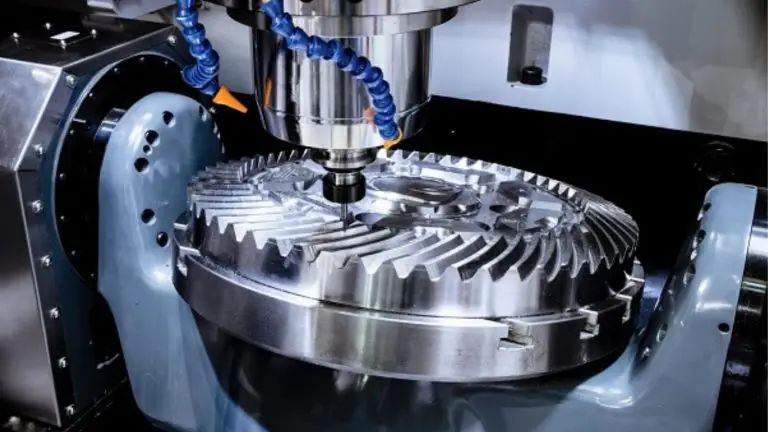
A CNC machine, or computer numerical control machine, is a kind of automated manufacturing equipment that is controlled by computer programming. CNC machines follow exact instructions given by a computer program (G-code) to do activities like cutting, drilling, milling, or shaping materials, in contrast to traditional machines that need manual control. Because of the precision of these machines, producers are able to make parts with high accuracy and reproducibility. They are frequently used to efficiently build complicated parts in industries like electronics, automotive, and aerospace. There are several varieties of CNC machines, such as routers, lathes, and milling machines, each intended for a particular purpose.
RISE OF CNC MACHINES
Manufacturing has traditionally relied mostly on manual labour, which frequently results in variable quality, slower production times, and human error. These difficulties started to lessen with the introduction of CNC machines. Because CNC machines are operated by software that has been written, they can carry out intricate operations with a high level of precision and consistency. A significant turning point in the business was reached with the transition from manual to computer-controlled operations, opening the door for more automation, accuracy, and creativity.
ALL ABOUT CNC MACHINE PROGRAMMING
With CNC programming, manufacturers may produce parts automatically while maintaining manual control over the process. CNC machines allow manufacturers to precisely and efficiently turn raw materials into completed goods in big quantities. Compared to creating things by hand, mass production using repeated machine movements can be faster, more reliable, and less expensive. Products may potentially become safer and stronger as a result. Because computers can do the necessary mathematical computations and measurements, CNC machines simplify the process of manufacturing objects with intricate, three-dimensional geometries.
CNC programming functions as a kind of human-computer translation. This process involves taking a computer-aided design (CAD) model, which is often created by a person, and converting it into a set of machine-readable instructions before turning it into a reality. A company or employee may be interested in CNC programming for a variety of reasons, particularly if CNC machining and its numerous procedures are a regular part of your operations.
IMPORTANT CODES RELATED TO CNC PROGRAMMING
The most widely used term for the language used in CNC programming is “G-code,” but there are a number of different varieties. While G-code may apply to all programming, it also only relates to the geometry portion of the code. Because of this, it will also be helpful to understand the following terms:
N-codes: These monitor machine code for conversions that are made by hand. If you are writing and converting instructions with CAM software, they are not required.
S-codes: These represent the various spindle speeds that the CNC machine must achieve, sustain, and alternate between. (Remembering this is also simple: S = spindle speed.)
T-codes: These codes assist machines in determining the kind of tool required for particular parts.
D-codes: This kind of code can indicate two distinct distances: the amount that the machine’s tool protrudes from the tool holder or the offset from the center line.
F-codes: The letter “F” makes it simple to recall that this kind of code denotes the feed rate and the various speeds at which the tool must operate during machining.
G-codes: These allow the machine to know precisely where and when to start, halt, and move between locations by sharing the model’s geometry.
M-Code: Code that doesn’t fall under any of the other code types is referred to as an M-code. M stands for “miscellaneous,” which includes things like spindle control and coolant.
TYPES OF CNC PROGRAMMING
Manufacturers utilize a variety of CNC programming techniques for creating parts. These are:
Manual CNC Programming – The manual approach is the most basic type of CNC machine programming. It involves manually inputting commands into a CNC machine control console. Simple parts are best suited for manual programming. It’s crucial to remember that the procedure can be time-consuming.
Conversational Programming – Conversational programming is the process of using a CNC machine that has an integrated conversational programming interface. This interface allows users to enter commands in plain English rather than G-code. Some systems will ask the operator a series of guided questions to fully define the job. Conversational programming works well with simple designs, just like manual programming. Additionally, compared to manual CNC programming, this CNC programming is quicker and easier.
CAM Programming – One of the most popular forms of CNC programming, particularly for CNC machining prototypes, is computer-aided manufacturing software. This is because it may be used to create parts of any complexity. When compared to manual CNC programming, CAM software offers unparalleled speed and accuracy. A programmer can see the tool path with the CAM software, which helps them identify possible problems during machining. Additionally, CAM software gives programmers greater flexibility because it allows them to move code across machines without having to redo the entire program.
HUMAN KNOWLEDGE IN THE CNC ENVIRONMENT: OPERATORS’ ROLE
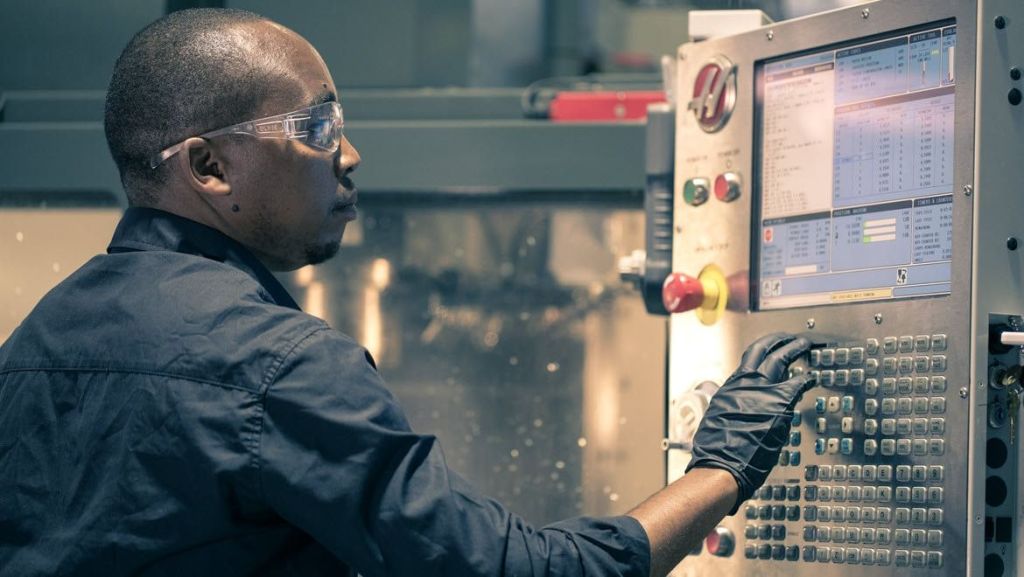
Programming, configuring, and running a CNC machine allows a CNC operator to create machine parts. Among a CNC operator’s primary duties are equipment maintenance, adherence to safety and quality regulations, and meticulous part documentation. The following are a few additional typical responsibilities:
Machine Setup: Making sure the CNC/VMC machine is properly configured for the given operation or job, including loading the required equipment and supplies.
Programming: Programming is the process of loading and executing pre-written programs or creating original programs to enable the CNC/VMC machine to carry out a variety of machining tasks, including shaping, drilling, milling, and cutting.
Machine Operation: Machine operation involves running the CNC/VMC machine throughout the manufacturing process, keeping an eye on the machining activities, and adjusting as necessary to guarantee the precision and quality of the final products.
Quality Control: Quality control involves checking completed items to make sure they adhere to the essential requirements and standards for quality and adjusting machine settings as needed to address any variations.
Maintenance: To guarantee optimum performance and avoid malfunctions, the CNC/VMC machine should undergo routine maintenance procedures like cleaning, lubricating, and replacing worn-out or damaged parts.
Troubleshooting: Finding and resolving any faults or problems with the CNC/VMC machine, such as mechanical failures, programming errors, or tool wear, and then taking appropriate action.
Safety: Wearing the proper personal protective equipment (PPE) and following safety procedures when operating the machine are just two examples of how one can ensure a safe working environment for oneself and others by adhering to safety rules and recommendations.
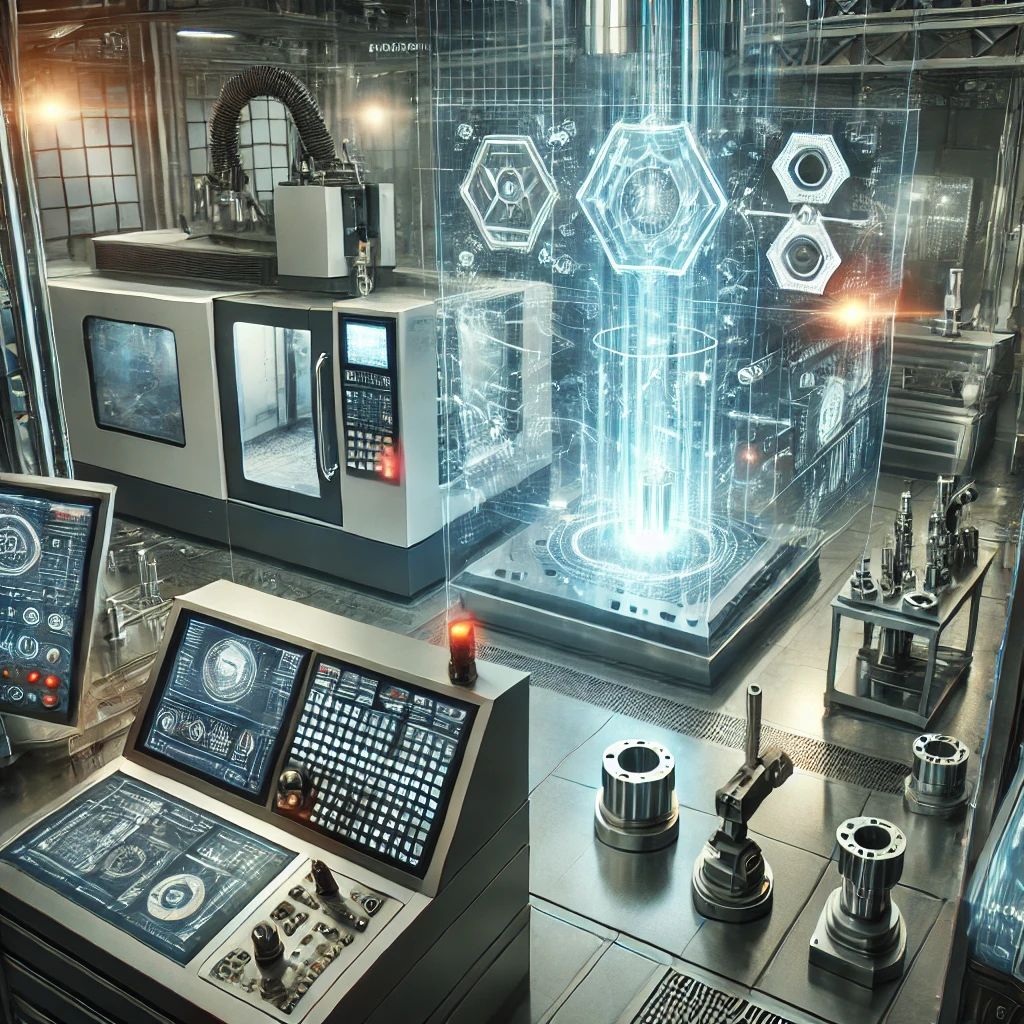
CNC machines are constantly changing as technology progresses. Even more optimization and flexibility will be possible with the further integration of machine learning and artificial intelligence into CNC operations. More automation, better predictive maintenance, and simplified programming will probably be the key goals of future advancements in order to guarantee even quicker turnaround times and less downtime. CNC machines will become more interconnected via the Internet of Things (IoT) as enterprises continue to adopt Industry 4.0, allowing for real-time data collecting and analysis. Machines can now autonomously optimize production schedules, anticipate maintenance requirements, and monitor their own performance thanks to this connection. CNC operations will be further improved by artificial intelligence (AI) and machine learning, which will allow machines to optimize tool paths, adjust to changing circumstances, and even increase component quality without the need for human interaction.
Moreover, CNC machines are becoming increasingly integrated with other components of the manufacturing system as Industry 4.0 takes pace. This implies that real-time data from CNC machines may be studied to improve production processes, predictive analytics, and decision-making.
CONCLUSION
Future developments in CNC machines are anticipated to be even more significant as technology develops further, enabling more intelligent, effective, and environmentally friendly production methods that will further influence the sectors they service.
Just like all other seasons of the year, women’s winter fashion is also about looking good while remaining warm. It is that time of year when the temperatures start to drop, winter is here, and what is really needed at this point is to update the closet with stylish and comfy clothing.
Winter Outfit Ideas
In Winter, mostly neutral colour looks the best on us. Here in this blog, I’ll be providing some ideas about winter clothes which will suit you the best and which you can easily style it. So, let’s take a look!
Pairing of a trouser with a sweatshirt can be the most stylish and trendy winter outfit look for us women. We just have to know which colour goes with which. This pairing also will keeps you warm and at the same time gives you a cool look. You can style your dark shade trousers with a grey/beige sweatshirts and then you are all set to go to your workplace.
Long blazer like coats are always a yes in this weather. Gives you a perfect professional and smart look. These coats can be styled with anything like top and denim or with your minimalistic dress. It’s best to wear something simple underneath these coats.
Beanies will keep you warm and safe from cold. These are the only clothing item which can be vibrant in colour and look good on us. You can wear your beanie with your sweatshirt and trouser or pajamas, it will give us a very warm and homely type of vibe wherever you are. Also makes you feel comfortable at workplace.
Most trendy winter clothing item is puffer jackets. Known for its style, comfort and warmth. These jackets are mostly waterproof, so no need to worry about getting drenched due to snowfall. You can wear black color puffer jackets with your favourite pair of denim or trousers. You can also wear it with your old skinny jeans and can look stylish as ever.
Cardigans which are made out of thick wool are the best to keep yourself warm in winter. This item offers you both elegance and warmth. You can wear your cardigan with your floral dress and can also be paired with your top and pants. Oversized cardigans will give you a trendy look. You can also it on a special occasion.
Knitted dresses are one of the most popular and stylish choice in winter. It’s a go-to outfit for an event or a dinner date. It provides you both warmth and versatility. These dress mostly of neutral colour looks the best. It is made out of cozy materials like wool. You can wear these dresses with your knee high boots or even sneakers for a casual look.
Leather jackets for women are timeless. It makes us look edgy and stylish. Wearing your black, brown leather jacket with a turtle neck sweater underneath and combining it with a skinny or leather pants will give you a perfect voguish look. These jackets are a must have for winter wardrobes.
So, these are 7 tips on how to style your winter outfit for daily. Embrace the cold weather with confidence and stay cozy and stylish!
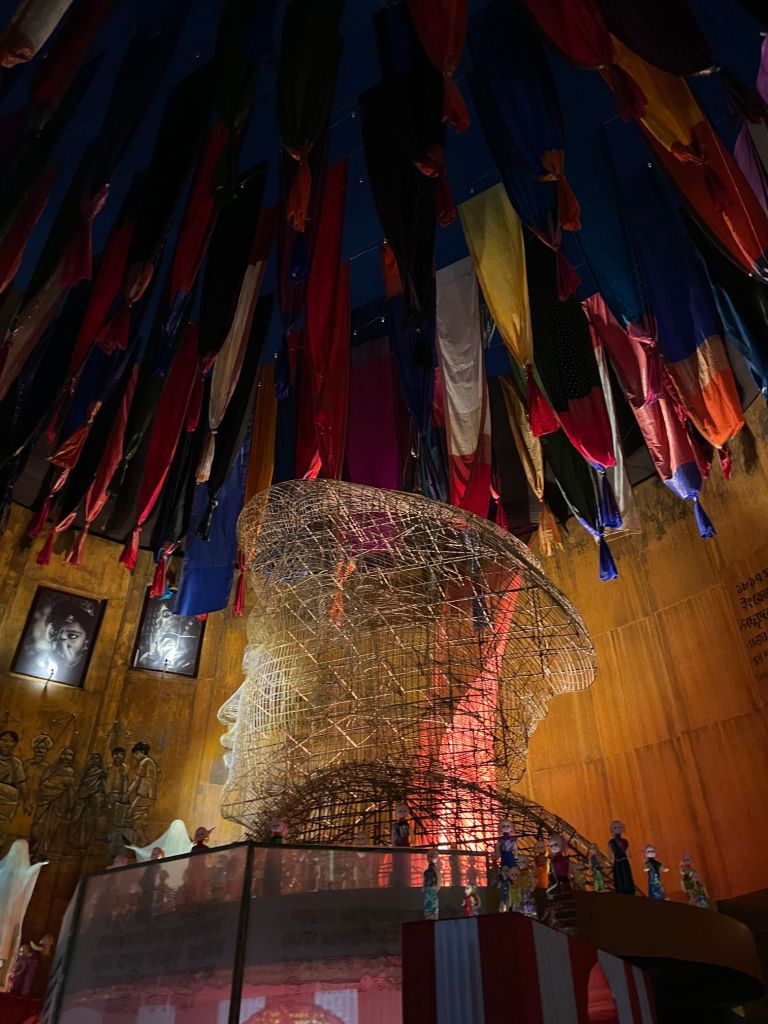
Durga Puja is the most awaited festival among Bengalis in Kolkata. Every year it is celebrated during the monsoon season. Marked by elaborated decorations, lightings and cultural performances, the whole city lights up during those ten days. The festival starts with Mahalaya and ends with Dashami.
This year, the theme of durga puja pandals in Kolkata was also very exclusive and wonderful.
1. Dakshin para sarbojanin
Dakshin para sarbojanin
Dakshin para sarbojanin
This pandal gained immense popularity this year and created a huge crowd. The theme this year is known as the moving pandal. The artist behind this creation is Debashish Barui. The whole pandal is made of waste material tools and metal sheets. The decorations and lights were moving. The creativity was remarkable this year.
2. Sahid Colony Sarbojanin
Sahid Colony Sarbojanin Durga Puja
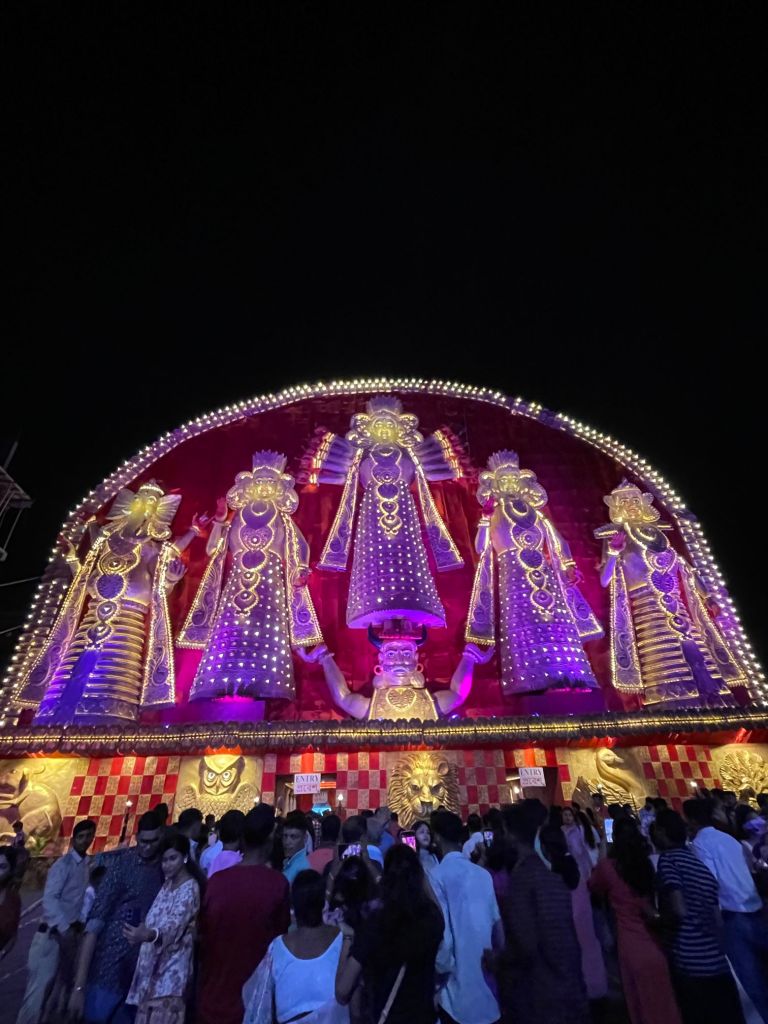
Situated in Sodepur, West Bengal’s North 24 parganas, this year Sahid Colony’s durga puja utsob gained a lot of attention as it crossed all past records and expectations and built its name with the tallest Durga maa idol which heights 100 ft. The murti was decorated with glamorous lights which created a beautiful effect. There was a pandal also made just behind the 100 ft Durga maa idol, where 2 murtis of the idol was made, decked up with lightings and decorations, giving it a royal touch, the art installations showcased the excellent craftsmanship of the pandal.
3. Tarapukur Milan Sangha
Tarapukur Milan Sangha Durga Puja
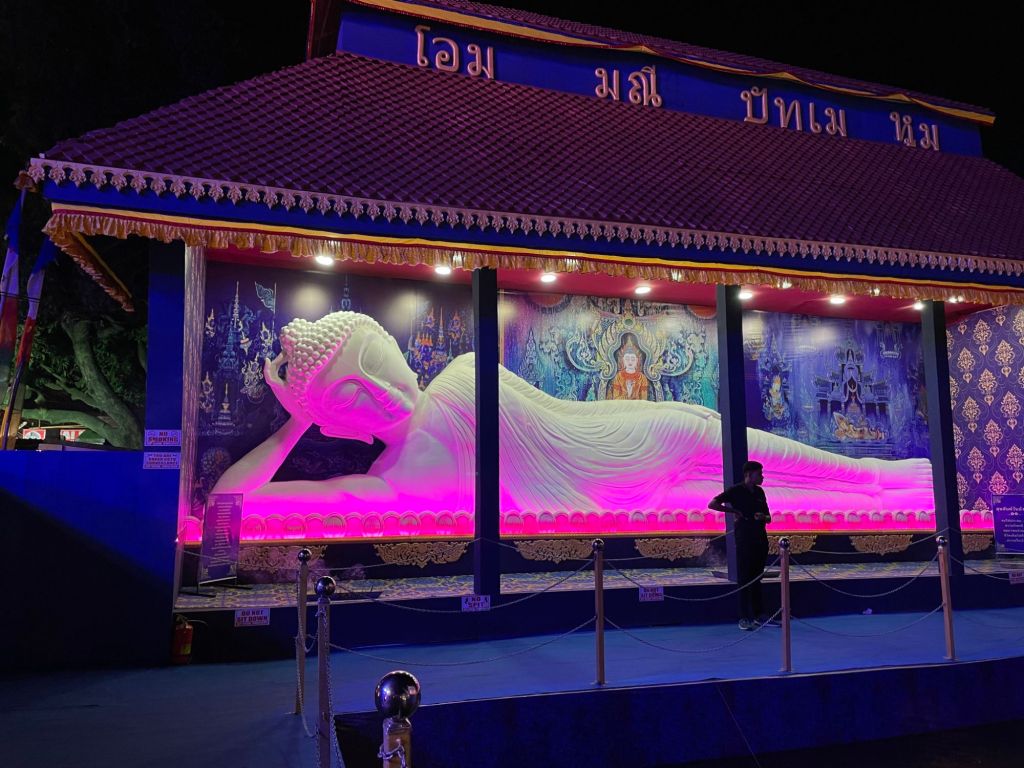
For 2024, the theme for the Durga Puja pandal is based on the Blue Temple in Thailand. The pandal area was huge and also inside the pandal we get a peaceful vibe. The whole crowd managing process here was amazing. They also placed the idol of Buddha inside the pandal. There was one huge statue of lying buddha and the murti of Durga maa was also beautifully crafted.
4. Kashi Bose Lane
Kashi Bose Lane Durga Puja
The theme of this pandal focuses on the crucial role played by Bengal in abolishing the practice of sati. The theme also made a important statement on how child marriage is still prevalent in parts of India. The artistic level was greatly impacted by the creation of this pandal.
5. Lalabagan manicktala
Lalabagan Manicktala
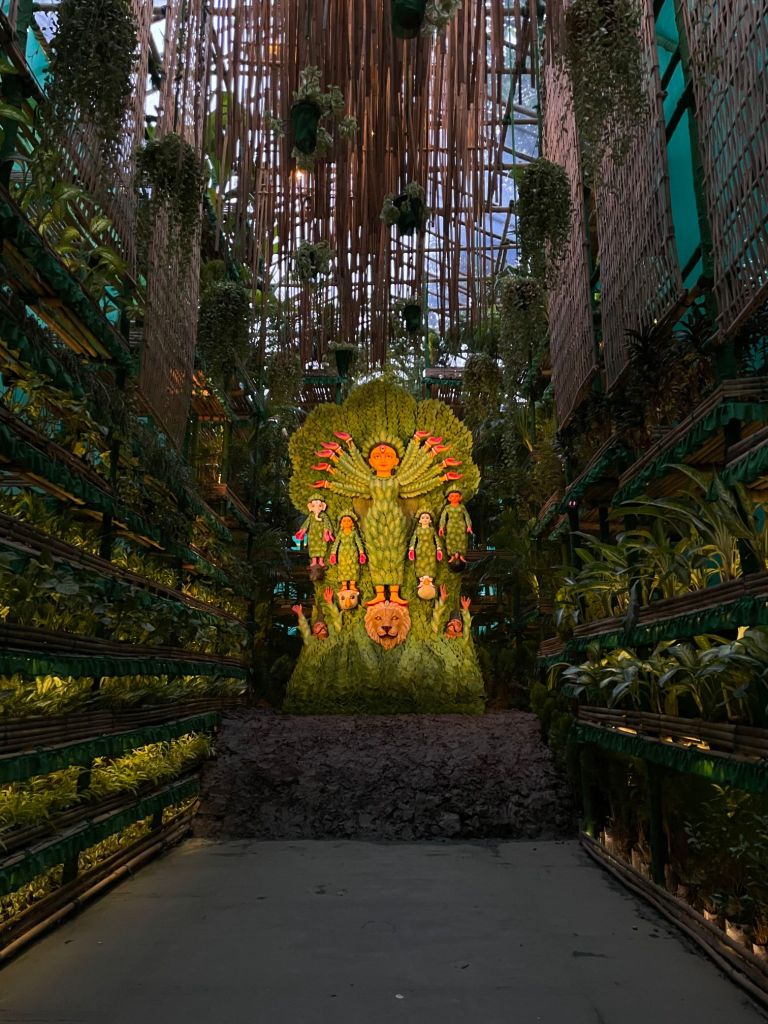
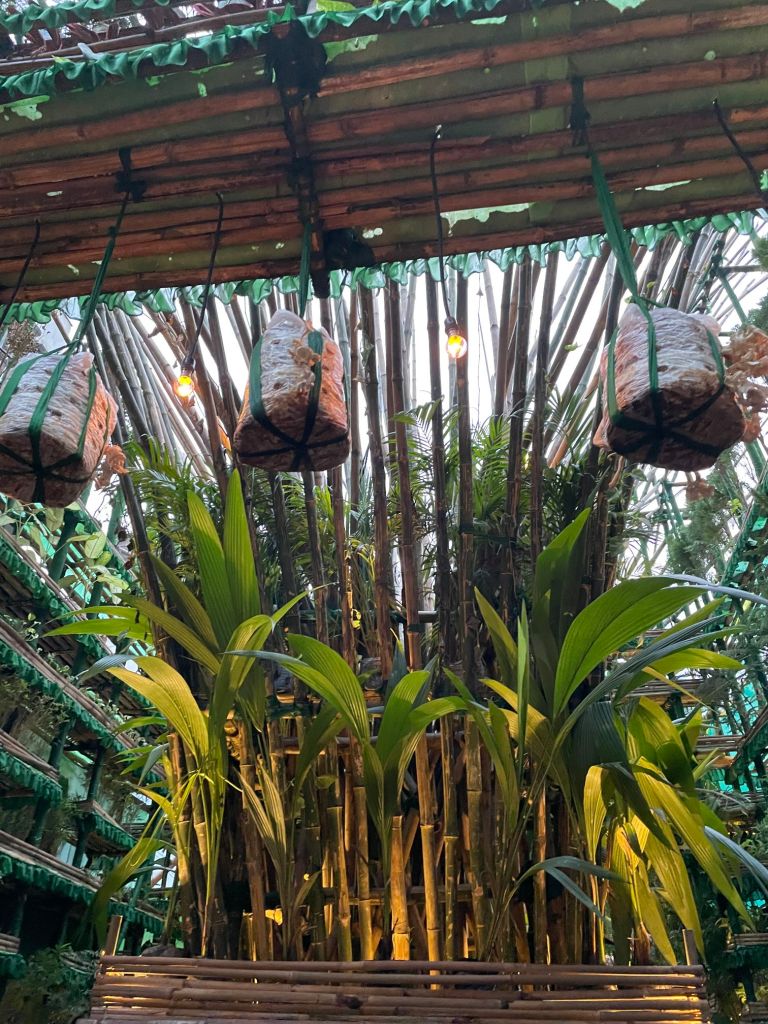
The remarkable pandal was made with 8,000 live plants. This pandal depicts the significance of being eco-friendly and the importance of protecting the environment. It’s is an amazing example of how we can celebrate while also protecting our planet.
6. Tala Prattoy
Tala Prattoy
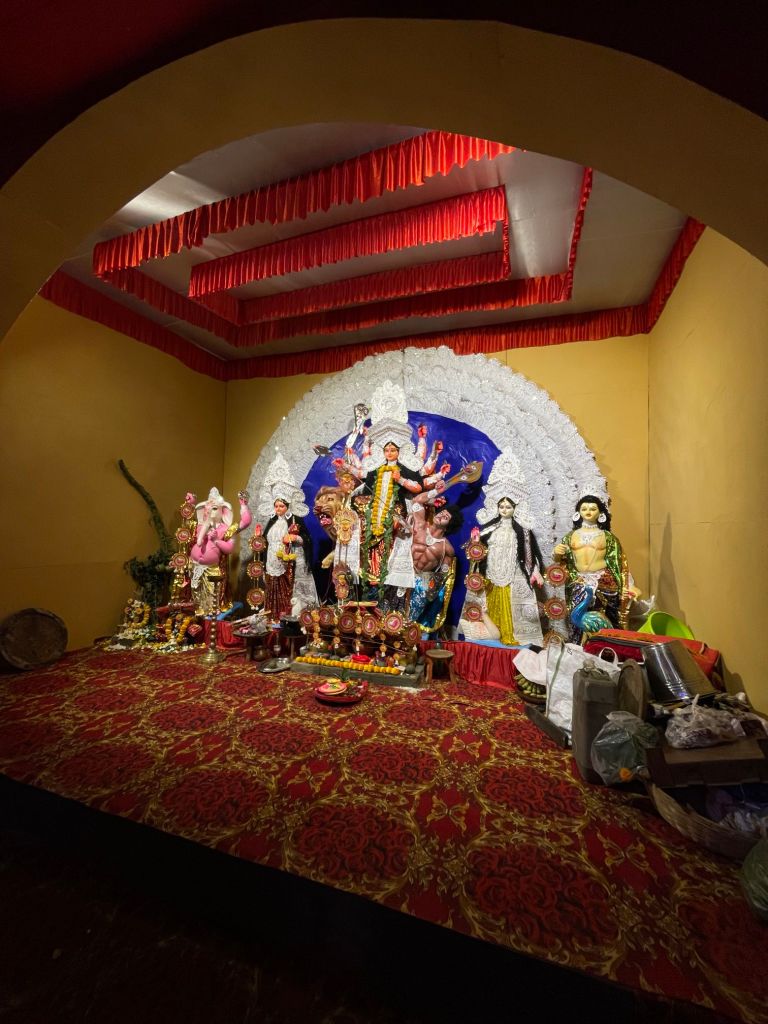
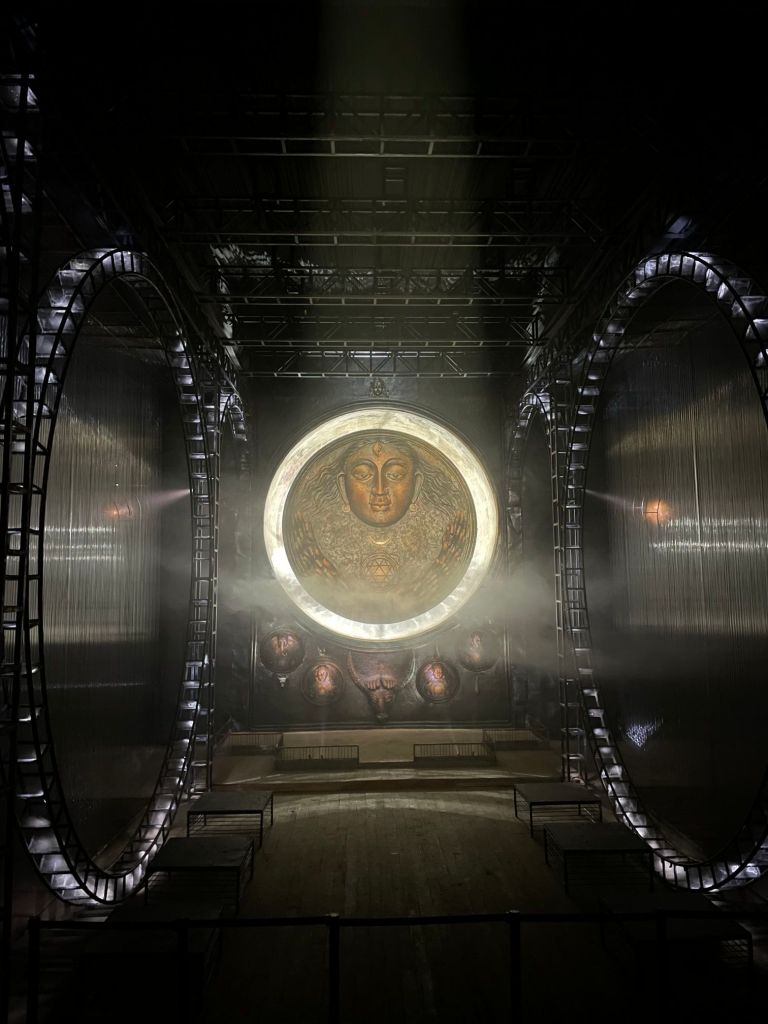
This year, Tala Prattoy’s theme is known as ‘বিহীন’. The craftsmanship of this pandal was mind-blowing this year. The light and shadow effects showed inside the pandal was amazing. I must say, it was like an art exhibition, which is wonderful. The murti of Durga maa was also very unique here.
7. Dumdum Park Bharat Chakra
Dumdum Park Bharat Chakra Durga Puja
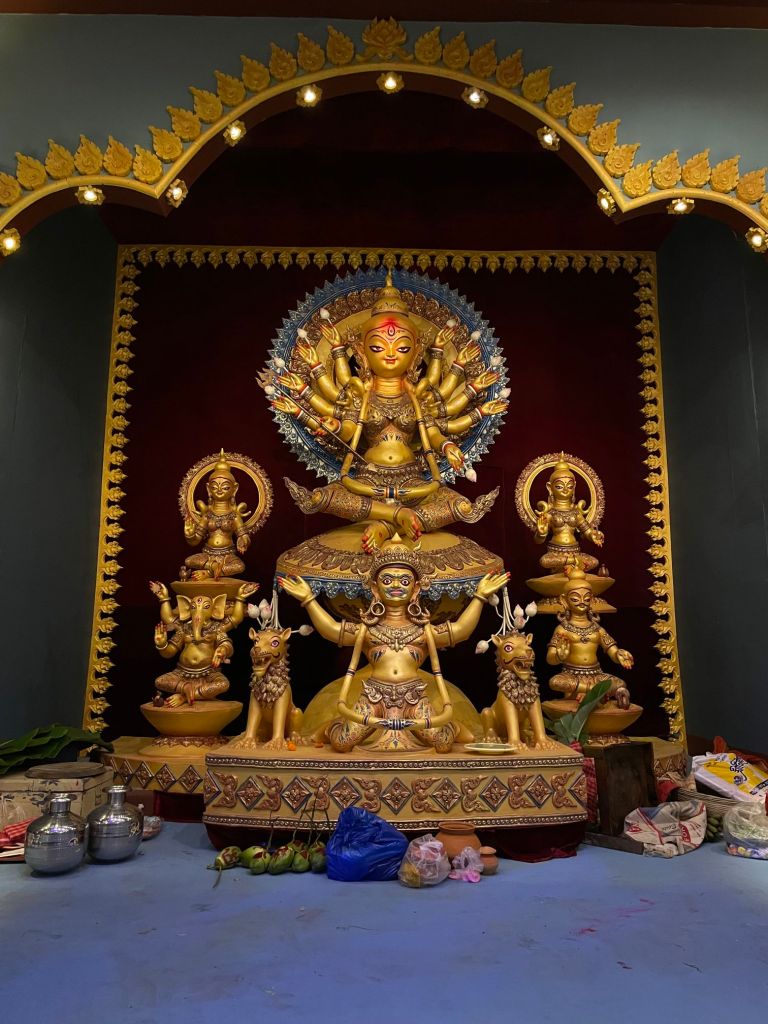
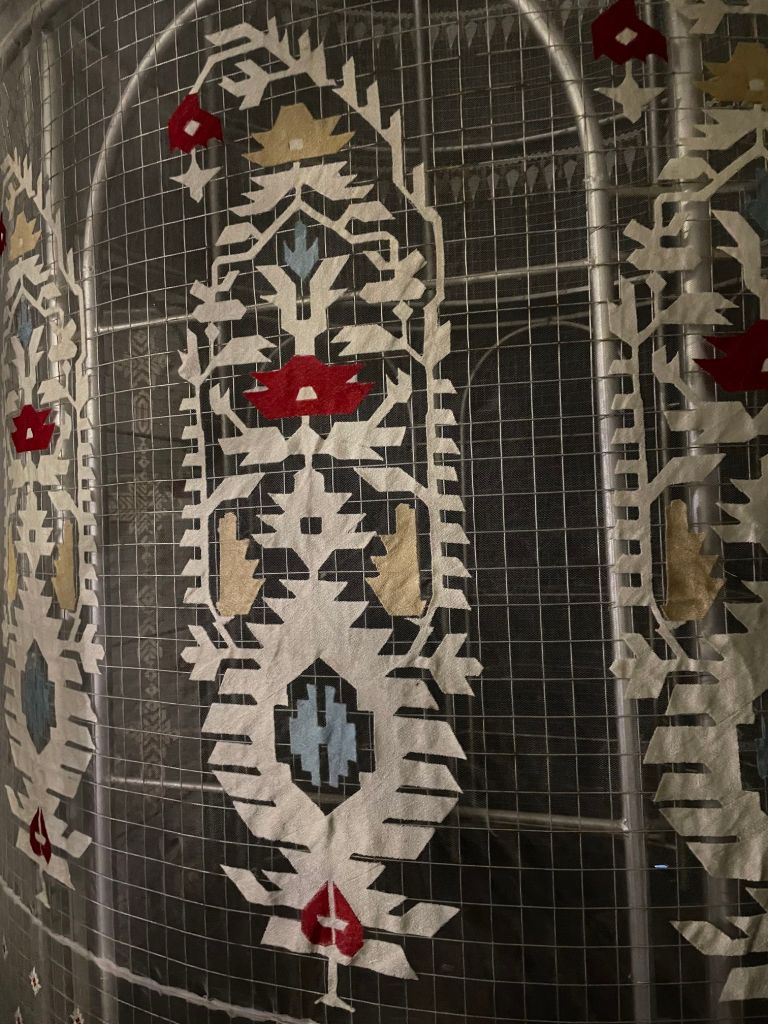
The theme this year is known as ‘jamdani’. The theme maker is Aditi Chakrabarty. It is about strengthening the wings of the weavers who craft the exquisite fabric ‘jamdani’. The pandal showcase the works of jamdani weavers. The idol also wears a pastel shade jamdani weave made in clay.
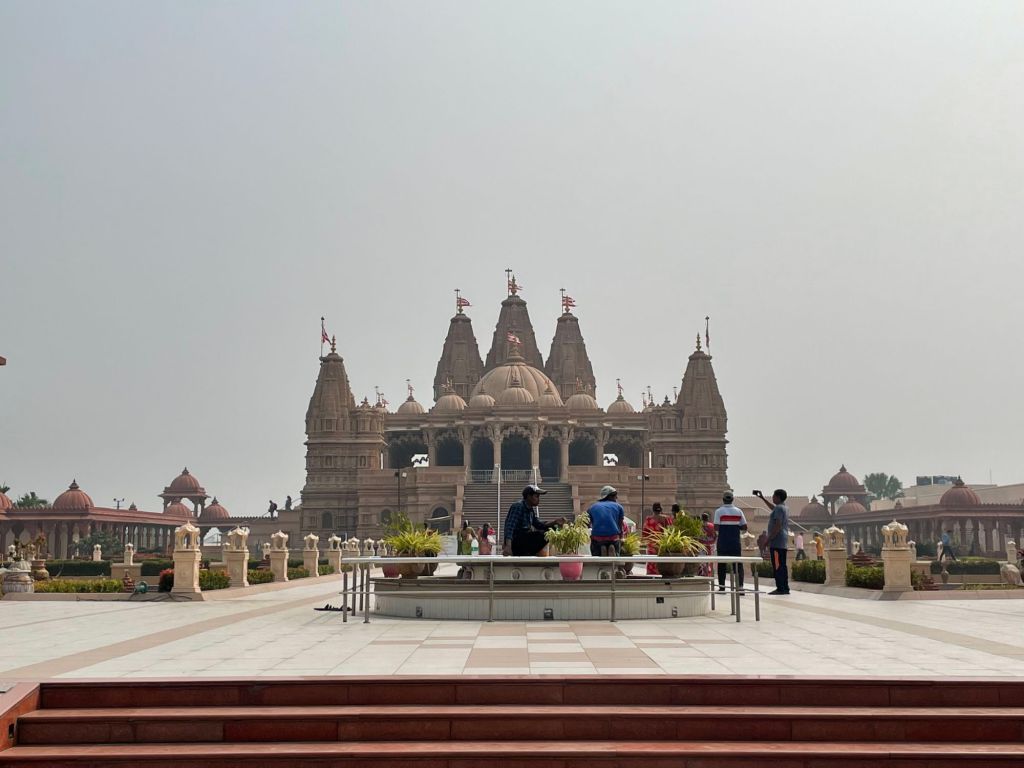
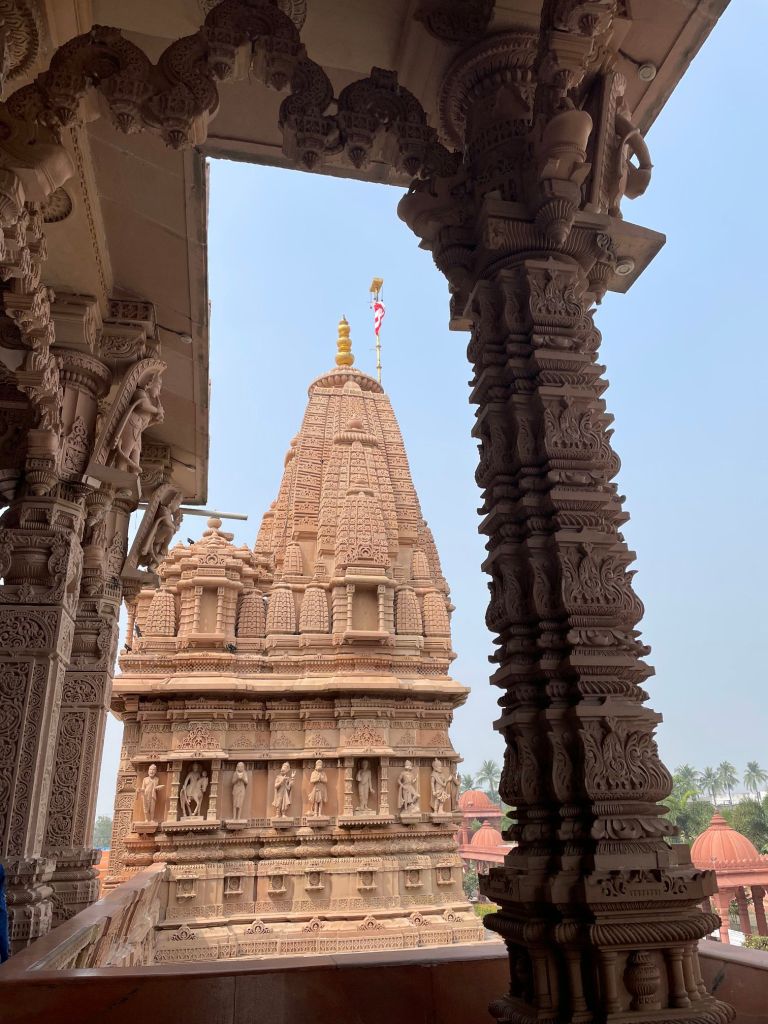
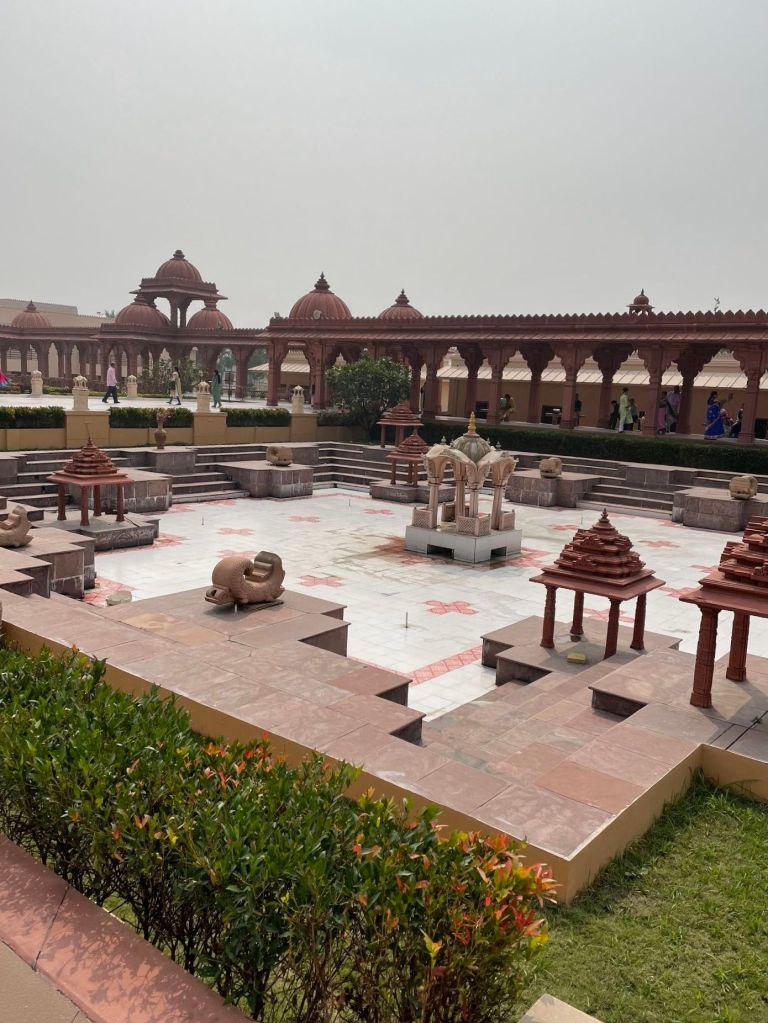
Shree Swaminarayan temple is a huge Hindu temple, which covers almost 200 acres, situated almost 20 km away from Kolkata. This Swaminarayana Temple Kolkata was opened to public in 2014.
BAPS Shree Swaminarayan Temple
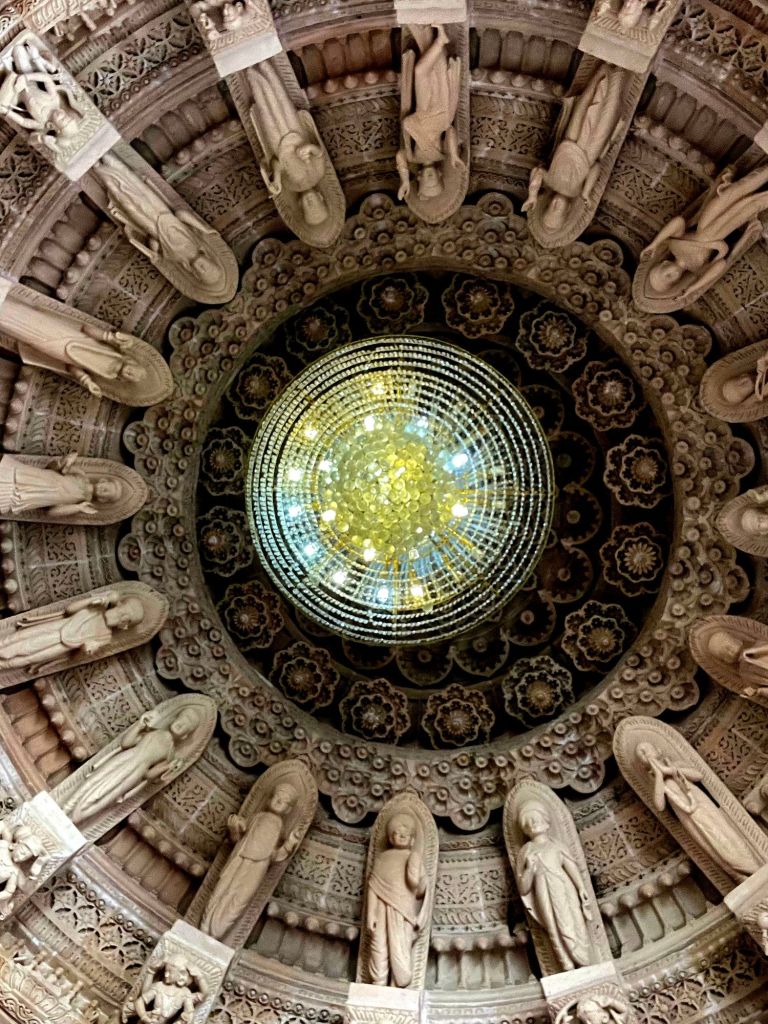
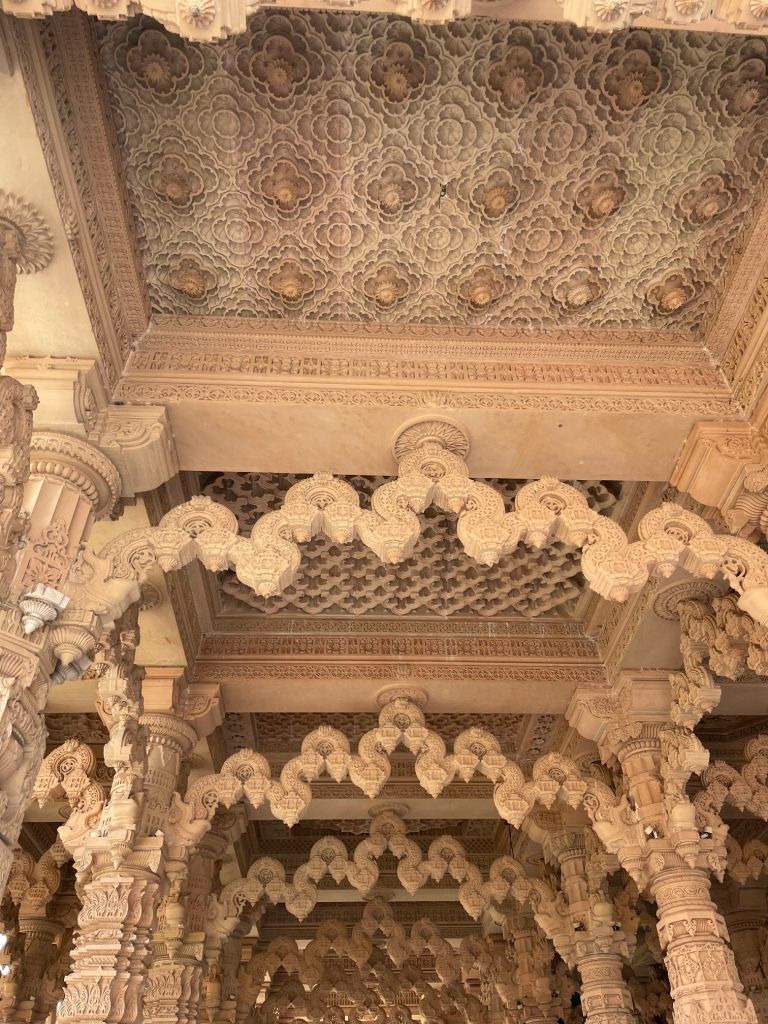
All hindu people or anyone from any community can come here and witness the purity of this place. The temple is made from marble, sandstone, and redstone and with floral designs as well as sculptures of Indian mythology. The central part of the temple is really a spectacular piece of art. Marble floors have colorful lotus and peacock patterns.
The Interior Temple Design
The temple is well maintained overall and clean. There is a canteen where you can have veg food. The temple is a copy of Akshardham Temple of New Delhi. The complex has big big gardens with fountains. The main temple is two floors high. The upper floor has idols of various Gods and in the lower level there is a Gold idol of Swaminarayan which is kept in a glass chamber for entering this area you have to buy prasad for Rs. 50. Taking pictures inside the temple is not allowed. You have to take off your shoes before entering the temple, there is a place for keeping the shoes which is free of cost.
Architecture of the Temple
Temple timings:
Sunday to Saturday – 8:00 am to 12:00 pm and 16:00 pm to 20:00 pm (might differ during holidays)
12 noon to 4:00 pm – mandir is closed
Arti timings – Shangar: 7:30 am Rajbhog: 11:15 am Sandhya: 6:45 pm Shayan: 8:00 pm
How to reach:
The place is well connected by road from main Kolkata. The most easy way is to visit by a car or your two wheeler. It’s barely 10 km away from behala bus stop. You can get bus from behala or diamond harbour which will drop you off right in front of the temple. Also metro is available from behala to joka and then you can take auto or bus from joka to the temple.
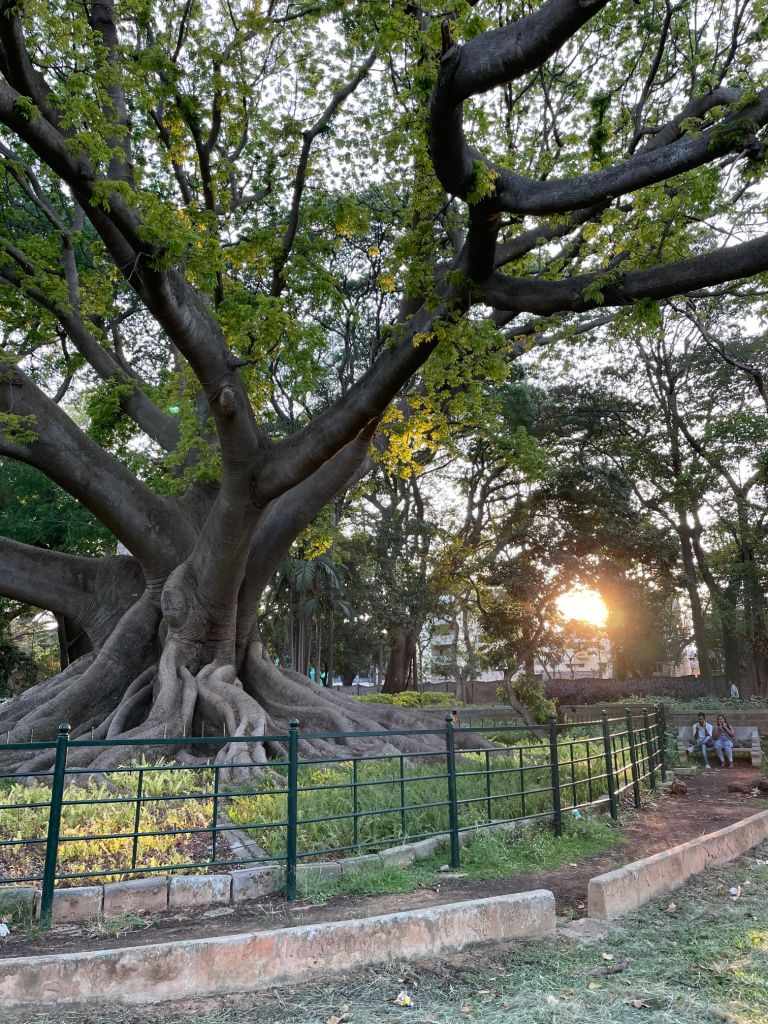
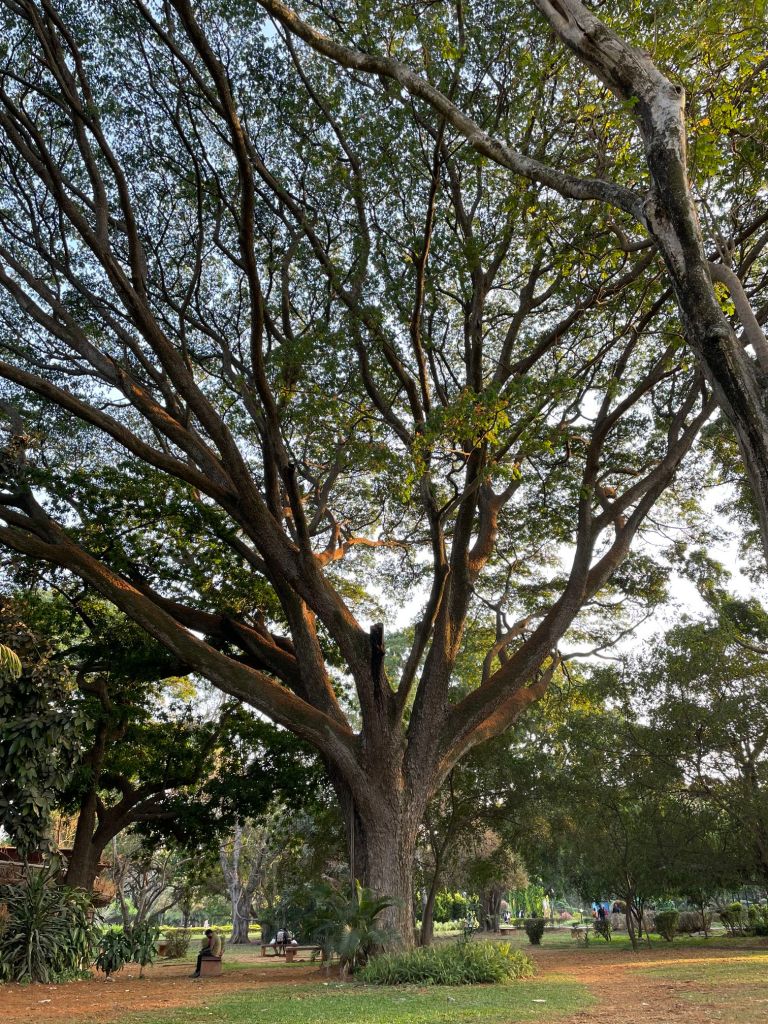
Lalbagh botanical garden is one of the stunning green attraction of Bengaluru. Covers almost 240 acres piece of land. It’s located in south Bengaluru. Largest collection of tropical plants, bonsai plants, sub-tropical plants, and centuries old trees are all planted here.
White Silk Cotton Tree
Reasons to visit Lalbagh
1. A Massive Glass house – The glass house at Lalbagh is built like a giant palace made with glass and iron. It’s inspired by the Crystal Palace in London’s Hyde Park. The glass house was built in 1989 and was renovated in 2004. The place contains some of the rare species of flowers and plants. It remains one of the primary attraction for the visitors.
Glass House
2. Lalbagh Tower/Rock– A watchtower situated on top of the 3000 million years old rocky outcrop (which is a National Geological Monument), built by Kempegowda. This is one of the most highlighted place to visit in the garden. People like to go there mostly in the morning and in evening to watch scenic beauty of the sunrise and sunset. This spot have always been favourites among the photographers.
Lalbagh Tower
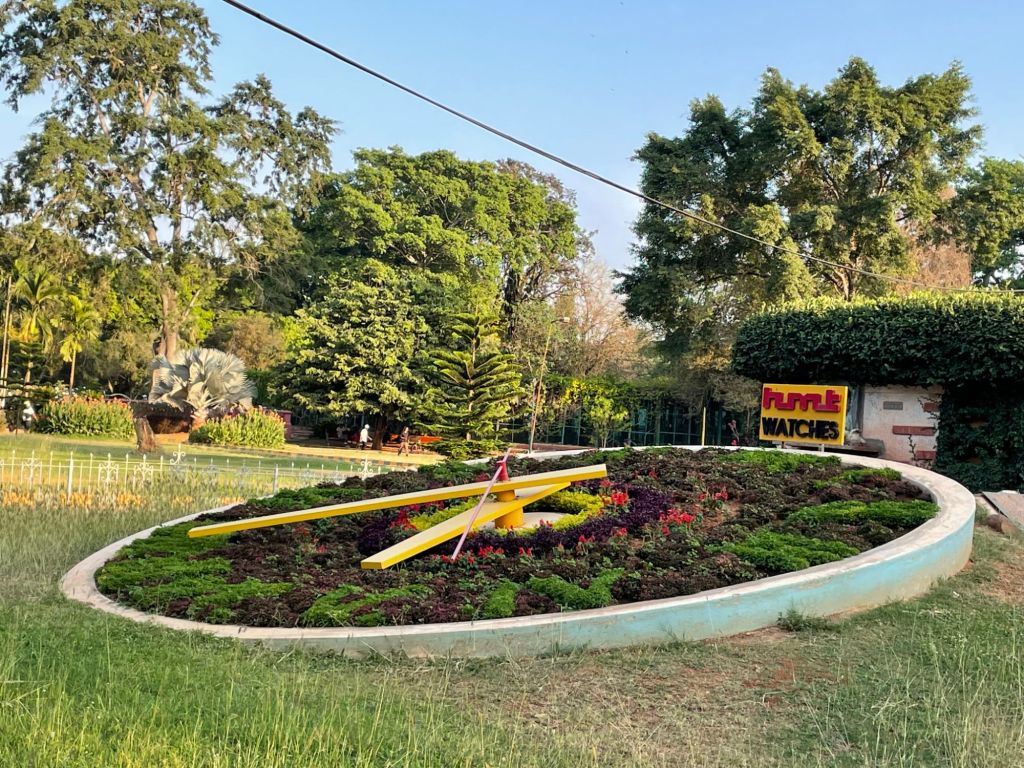
3. Flower Clock– There is a massive floral clock located in the middle of the garden. It’s decorated with colourful flowers. And the numbers on the clock are made by shaping out the grasses.
Flower Clock
Other Attractions
There are massive trees all over the botanical garden. Bonsai plants and trees, a topiary garden, Japanese forest, a massive lake with an artificial waterfall and various types of flowers are there. Lalbagh is also a good place for bird watching both in the lake and on the ground. Flower shows are conducted every year during the week of Republic day and Independence day, to educate people about the variety of flora and develop interest amoung the public about plant cultivation and conservation.
Entry Timings and Fee
Entry time – 6:00 a.m to 7:00 p.m (Sunday to Saturday)
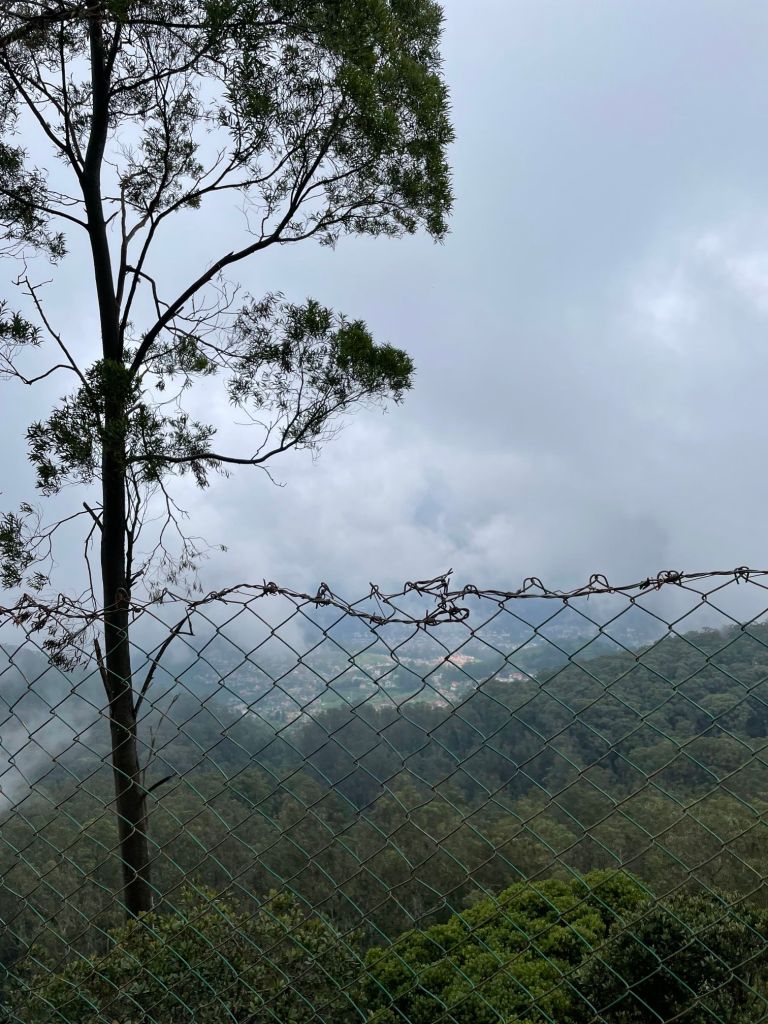
Doddabetta is the highest peak in the Nilgiri district, about 8,652 ft high. The peak is mostly surrounded by the forest. This place is mostly known for its scenic beauty. There is an observation tower at the peak which provides a better view of surroundings, we can also view the peak of coonoor from the tower.
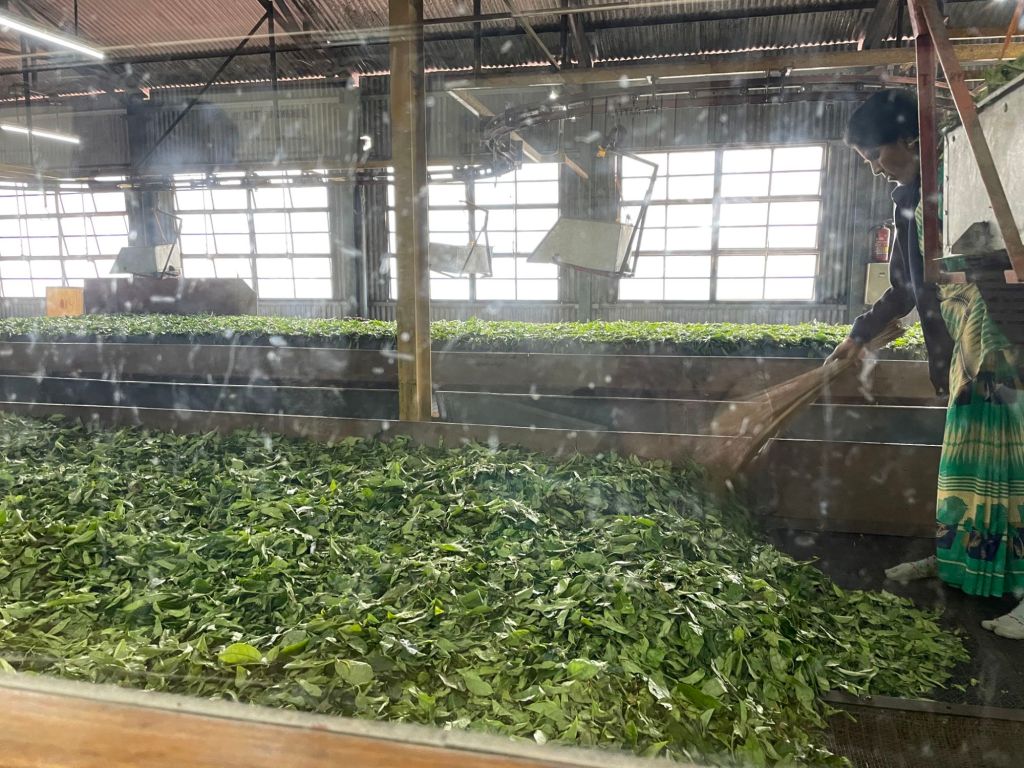
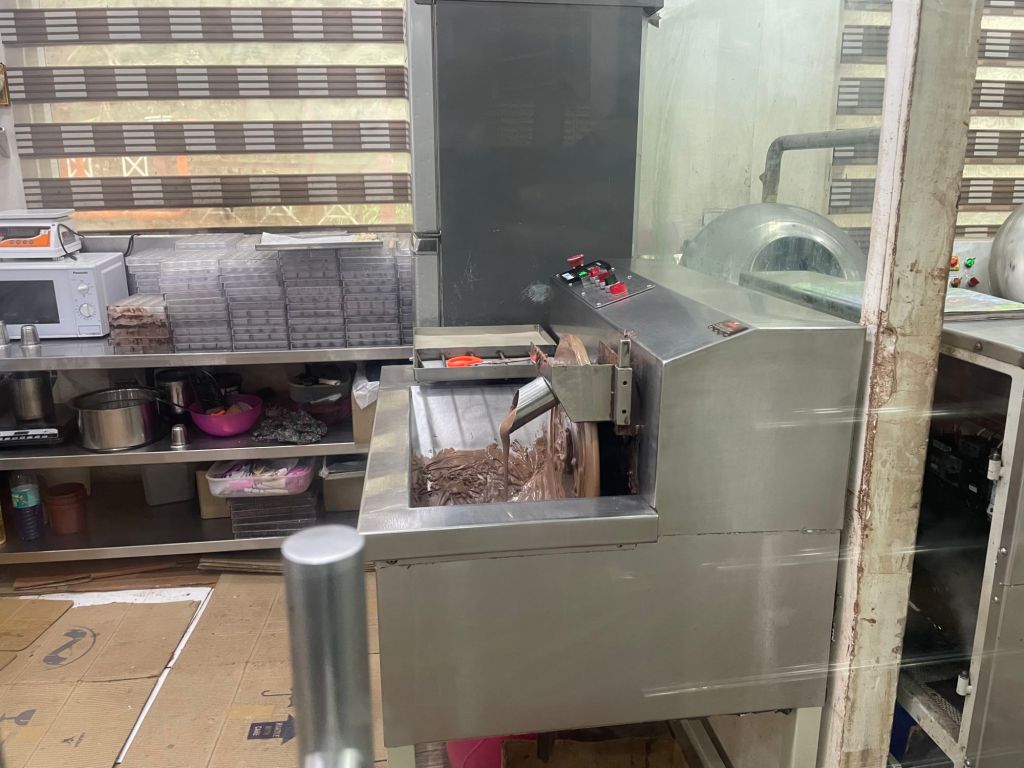
2. Tea Factory and Chocolate Factory
Tea Making Process Chocolate Making Process
Entry fee – Rs. 20 per person
This place is heavenly if you love the smell of tea and chocolate. There is also a tea museum while entering this place. After that there’s also a factory where we can see the whole process of tea making. Leaving the factory, tea is served for tasting. And, at the end you can also buy Homewood brand tea like normal tea, green tea, etc. Once done with the tea factory, there’s a chocolate factory, while entering you will be served with chocolate nutties which are very tasty. Flavours like butterscotch, and almond and white choco nutties are available there. And the place shows you the whole making process of these choco nutties. At the end you can buy various type of flavoured chocolates. So for chocolate and tea lovers, these two factories are best to visit.
3. Botanical Garden
Glass House at Botanical Garden Glass House at Botanical Garden
Entry fee – Rs. 100 per person
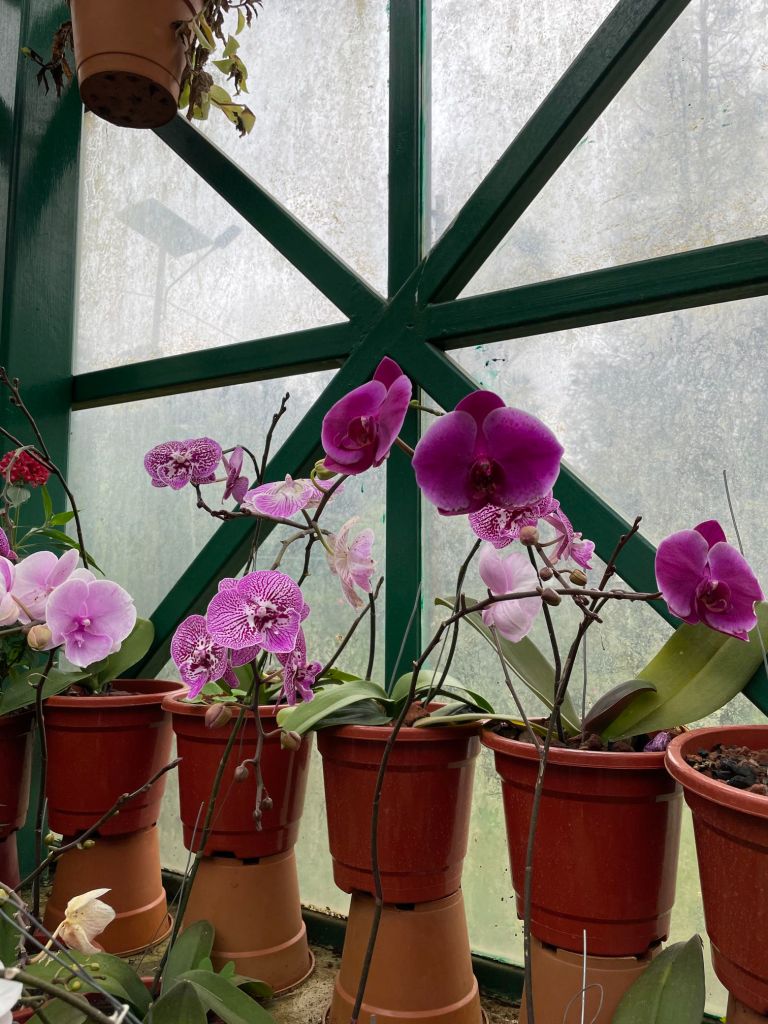
This is a government botanical garden in Ooty, which was laid out in the year 1848, almost 176 years old. Cover an area of around 22 hectares (54 acres), and lie on the lower slopes of the Doddabetta peak. The garden has a terraced layout. This garden has a beautiful glass house where different types of flowers and small plants are grown and maintained. There is also japanese forest where lots of bamboo trees are grown. The botanical garden are organised into six areas, which includes – Lower Garden, New Garden, Conservatory Garden, Nurseries, Fountain Terrace and Italian Garden. Many rare species of tree are preserved here.
4. Ooty Boathouse (lake)
Ooty lake
Entry fee – Rs. 20 per person
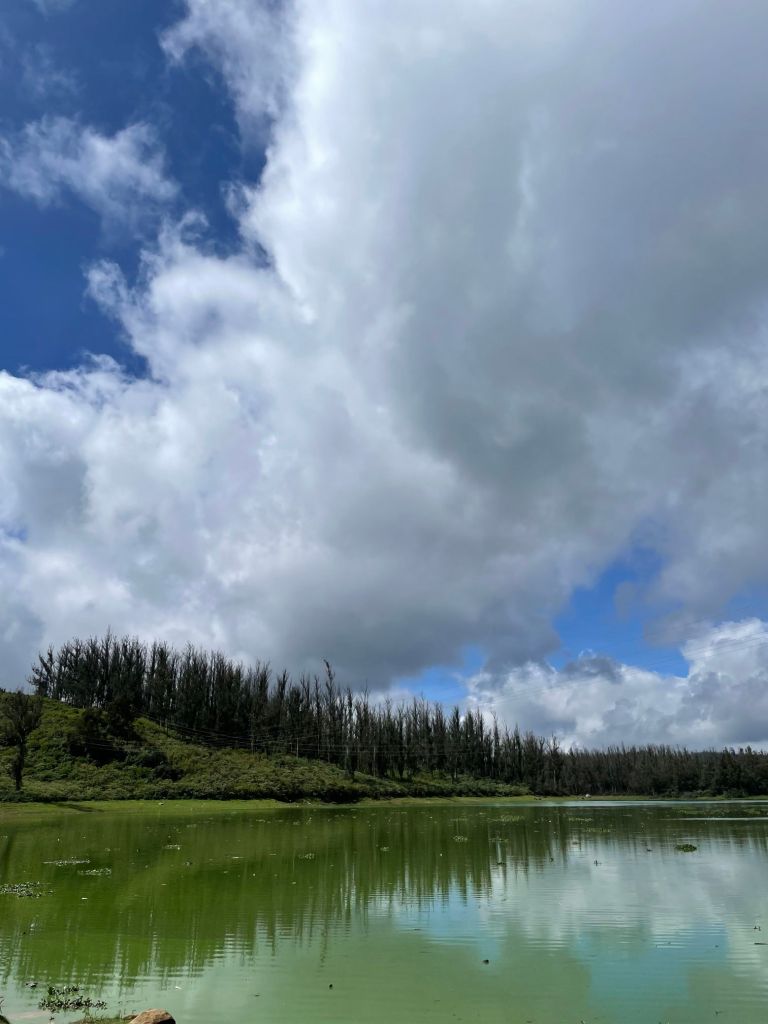
The lake is surrounded by long pine trees and eucalyptus trees. Boating on this lake, you will get to enjoy the serene view and rich biodiversity surrounding the lake. There are also restaurants where you can savor the delicacies of Ooty. A game area is also build there where you can play different types of video games. Different types of rides and food courts are also available. Three types of boating are available – row boats, paddle boats and motor boats. Price range for boating varies from Rs. 350 to Rs. 1000.
5. Pine Forest
Pine trees Lake view point
Entry fee – Rs. 30 per person
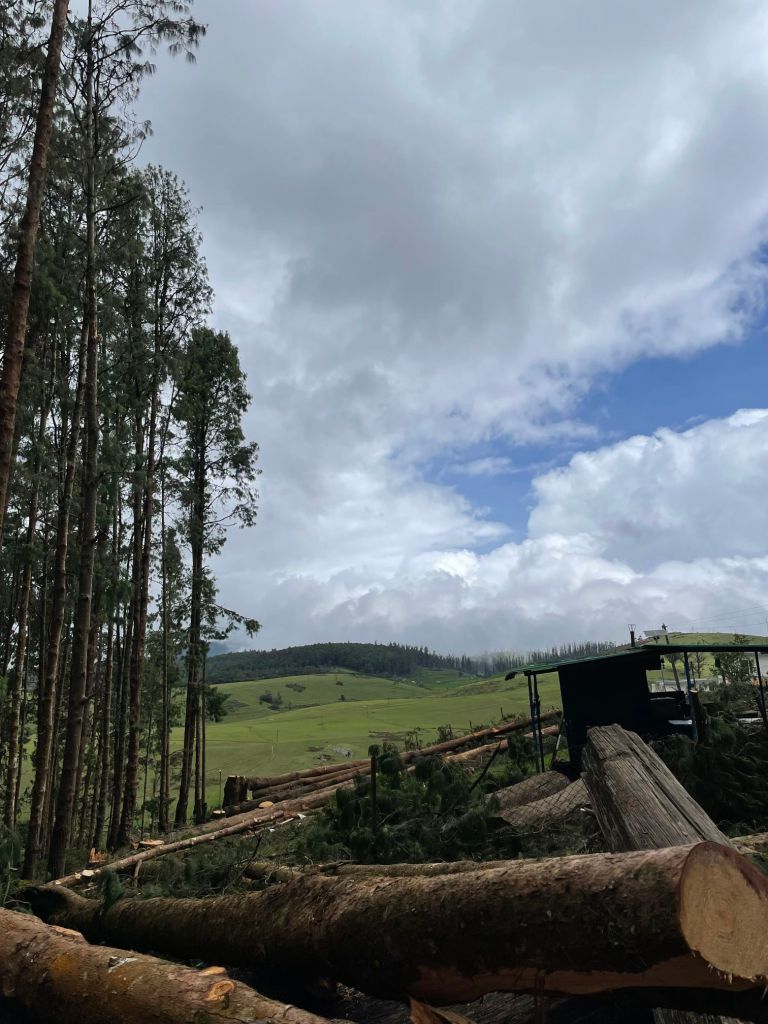
It’s a famous shooting at Ooty. The tall pine trees and the whole forset presents us a breathtaking view. Several Bollywood movies have been shot here such as sadma, khuda gawah, dil and deewana, etc. You can also do camping here just beside the lake. The forest is very aesthetically pleasing and beautiful, so if you want to click best aesthetic pictures this is a perfect place to visit.
6. 6th Mile Shooting Point
6th MileThere are Monkeys everywhere in Ooty
Entry Fee – Free
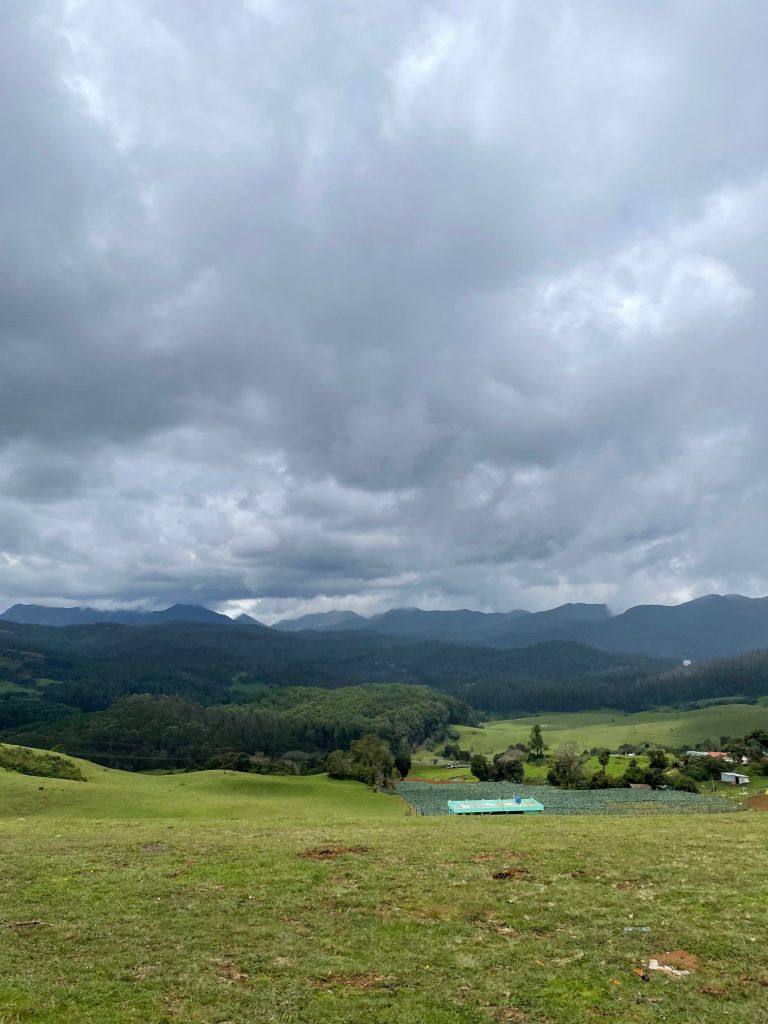
The 6th Mile viewpoint offers us gorgeous views of the valley spattered with the indigenous Shola forests. Whole area is surrounded by shola trees. Numerous Bollywood movies have also been shot here. The place provides us a beautiful panoramic view of the landscape. You can also rent horse for riding here. And of course, it’s a perfect place to capture the beauty of this green landscape through your lens.
7. 9th Mile Shooting Point
9th Mile Shooting Point 9th Mile Shooting Point
Entry fee – Rs. 30 per person
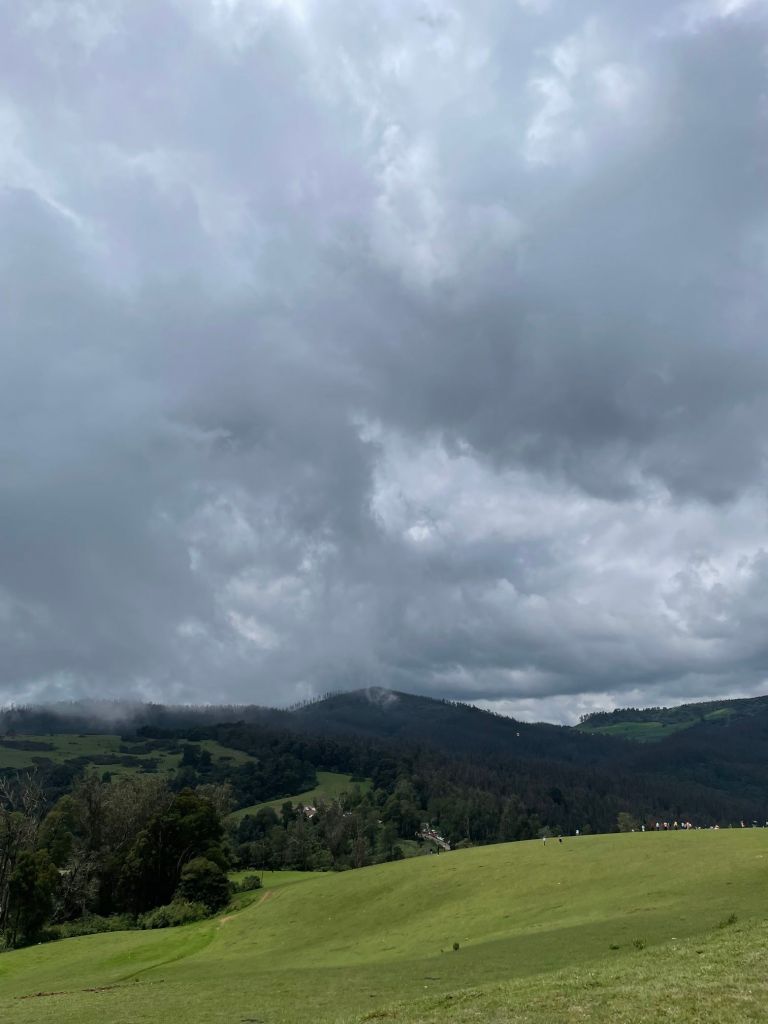
9th Mile Shooting Point, also called Wenlock Downs, is a scenic tourist spot, 15 km away from Ooty. The place also appeared in many bollywood movies like Deewana, Kuch Kuch Hota Hai, Raja Hindustani and others. And thus, locals nicknamed 9th Mile as Shooting Medu. 9th Mile offers you a vast scape of greenery. It is the best place to sit on the grass and relax or spend some time with your family and friends. You can also do hiking here which will take almost 15 minutes of hardwork to reach at the peak. Horse riding is also available here. The picturesque landscape of the 9th Mile will make you feel relaxed.
8. Pykara Waterfalls
Pykara Waterfalls
Entry fee – Rs. 30 per person
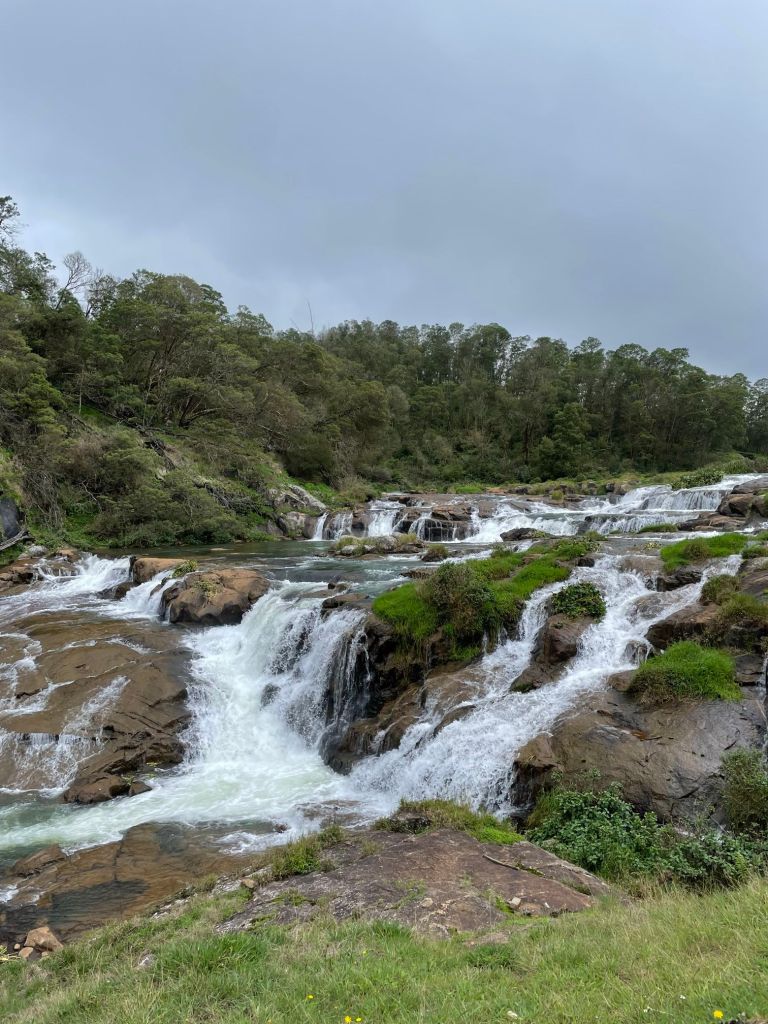
The Pykara Waterfalls is situated in the Pykara village, which is located at a distance of 22 km from Ooty. As the river flows down from the mountains it forms two wonderful waterfalls, the first one 55 meters in height and the second one even higher that is 61 meters. Although you have to walk down several stairs for enjoying the beauty of waterfall, it’s worth it. It’s one of the best waterfall in the district.
9. Pykara Lake (Boat House)
Pykara Lake Pykara Lake
Boating Price-
There are four types of boats:
Speed boat (2 or 3 person)- Rs. 1150 for 10 minutes
8 seater – Rs. 1150 for 20 minutes
10 seater – Rs. 1350 for 20 minutes
Jet ski (1 or 2 person) – Rs 3000 for 20 minutes
Pykara lake, a place situated away from the city, is surrounded by pine forests and got thick shores. The beauty of the lake will make you want to hop on that deck and enjoy the scenic beauty. It’s also one of the prime attraction of the city. You can click pictures and shoot videos while enjoying the boating. The sounds and surroundings will take any stress off for the time being.
So these are some of the best tourist attractions of Ooty.
Things to keep in mind while visiting Ooty:
Avoid using plastic bottles and wraps cause the district maintains a plastic-free zone.
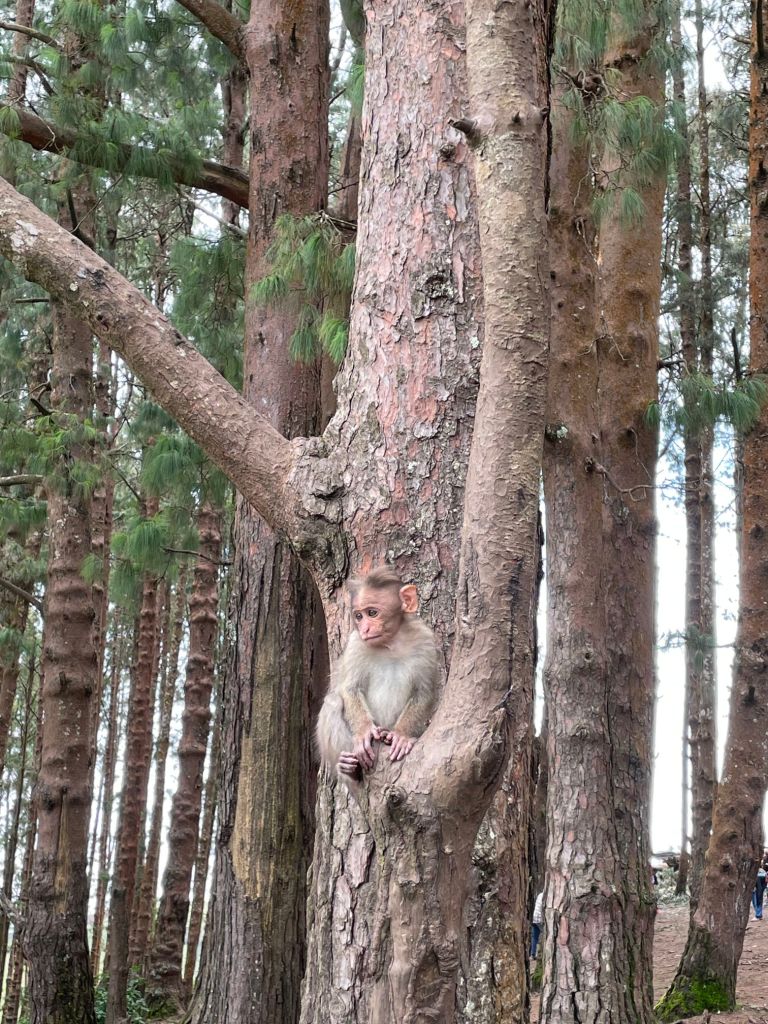
Beware of monkeys.
If you are hungry, each tourist spot provides food like sweet corn, fruits, tea, coffee, etc.
It’s best to visit Ooty during summers (March to June).
Best time to visit these tourist spots is from 9:00 am to 5:00 pm.







































 Blogs
Blogs 