TMJ dysfunctions are disorders that impact the muscles and ligaments that surround your jaw joints. These disorders can lead to a number of problems, such as headaches, jaw discomfort, and trouble opening and shutting your mouth. These problems may be referred to as TMJ. However, “TMD” stands for temporomandibular joint dysfunction, but “TMJ” refers to your actual jaw joint.

Temporomandibular joint disorder is another term for it. Temporomandibular joints, or TMJs, are located right in front of your ears on either side of your face. Your TMJs facilitate speech and chewing by joining your lower jawbone to your skull. TMJ dysfunction surgery may be necessary for some individuals when conservative methods fail to provide relief.
- CAUSES OF TMJ DISORDERS
- TYPES OF TMJ SURGERY
- BENEFITS OF TMJ DYSFUNCTION SURGERY
- RECOVERY
- ALTERNATIVES
- CONCLUSION
CAUSES OF TMJ DISORDERS
A group of illnesses known as TMJ disorders result in discomfort in the muscles and joints around the jaw. TMJ problems fall into three primary groups and impact various joint components:
- Internal joint derangement, such as a displaced disk or joint,
- Arthritis that impacts the TMJ
- Myofascial discomfort, which impacts the jaw’s controlling muscles.
Other typical reasons are as follows:
- Teeth clenching or grinding, dislocation of the jaw and teeth.
- Infections associated autoimmune diseases.
- Arthritis.
The cause may not always be obvious.
TYPES OF TMJ SURGERY
People who suffer from TMJ may think about having TMJ surgery if their condition is so bad that no other treatment choices are left. Patients should weigh their alternatives and make an informed choice even if TMJ surgery is probably going to be a very successful treatment for the problem. There are three types of TMJ surgeries:
- Arthroscopy – The TMJ surgery known as an arthroscopy is often carried out while the patient is sedated. In order to install a long, thin device that contains a light and lens, the surgeon will first create a tiny incision directly in front of the ear. The surgeon will be able to examine the joint’s surroundings by viewing whatever is caught by the lens on a video screen. The surgeon may decide to correct the TMJ disc or remove inflammatory tissue, depending on the underlying reason of the patient’s TMJ pain. Because arthroscopic surgery only requires small incisions, the patient will have less discomfort, scars, and recovery time. There are also less difficulties with this technique.
- Arthrocentesis – The procedure known as arthrocentesis is carried out under local anesthetic. Patients who notice that their jaws may abruptly lock while closed are typically advised to have this treatment done. This method involves inserting needles filled with sterile fluids into the afflicted region, then washing the area with the fluids. Occasionally, surgical tools will be needed to remove scar tissue or assist in removing an out-of-place disc. Arthrocentesis has the potential to alleviate temporomandibular joint irritation.
- Open Joint Surgery – Open-joint surgery is regarded as a more significant procedure than the others and will be carried out under general anesthesia. To implant equipment during an open operation, a larger incision will be created. For individuals with tumors inside or around the TMJ, bone chips or extensive scarring in the TMJ, or if the components that make up the jaw joint deteriorate, open-joint surgery will be advised. There is a greater risk of nerve damage and tissue scarring with this operation, and it takes longer to recover. To address the issue at its source, this could be the best course of action in situations of severe TMJ pain.
BENEFITS OF TMJ DYSFUNCTION SURGERY
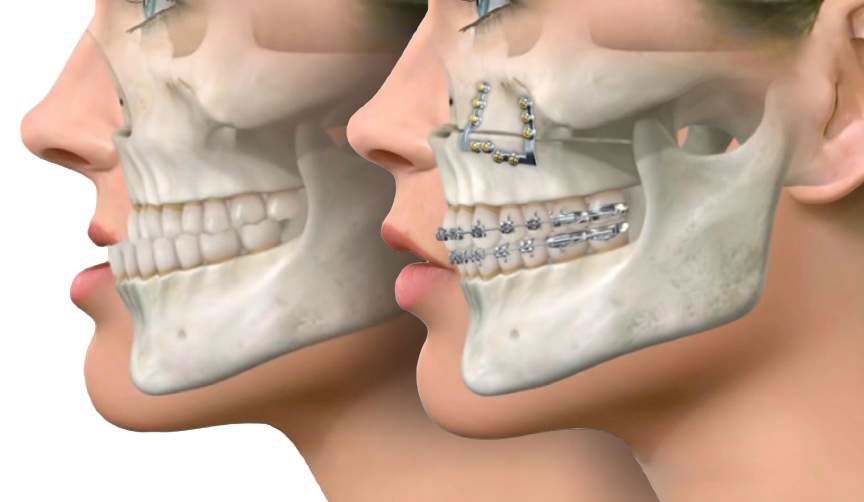
TMD, or temporomandibular joint disorder, can be brought on by a number of things, including arthritis, stress, trauma, and jaw misalignment. Chronic pain and discomfort are among the concerns associated with TMD if treatment is not received. Thankfully, there are several advantages to treating TMD that can help you feel less pain and live a better life.
- Improved Jaw Function – Enhancing jaw function and restoring normal jaw joint mobility are achievable with customized TMD medical treatment. Speaking clearly, enjoying your favorite meals, and engaging in social activities can all be hampered by chronic jaw pain. You may restore your ability to perform the activities you enjoy and enhance your dental health and well-being by treating the root cause of your jaw discomfort and receiving individualized care.
- Reduction of Pain and Unease – Many patients find that their TMD pain and discomfort significantly improve with expert therapy. Pain and discomfort in the jaw, cheeks, neck, and even shoulders are among the most typical signs of TMJ disease. It may be crippling to eat, talk, or even focus on everyday duties because of this agony.
- Decreased Chance of Dental Issues – Treating jaw discomfort not only enhances your quality of life but also helps shield your teeth, gums, and jaw joint from more harm. Teeth grinding, clenching, or misalignment are some of the causes of chronic jaw discomfort. Untreated TMD can result in more severe oral health issues including gum disease, tooth decay, or even irreversible jaw joint injury.
- Improved Sleep Quality – Sleep difficulties, such as trouble falling or staying asleep, snoring, or even sleep apnea, are common in persons with TMJ condition. TMD can potentially make the symptoms of sleep apnea worse, leading to a vicious cycle of jaw discomfort and trouble sleeping. However, it is frequently feasible to enhance sleep quality and lower the likelihood of these sleep disruptions by treating TMJ problem.
- Improved Emotional Health – Improving physical symptoms and treating TMJ issue can improve your mental health. Anxiety, despair, and other emotional problems can result from chronic pain and discomfort’s negative effects on mental health. In order to achieve better physical and mental health, it is imperative that people with TMJ condition seek expert therapy.
RECOVERY
The purpose of TMJ surgery is to restore your life and let you to consume the foods you enjoy. However, like with any surgery, you must allow your joints to heal.
Additionally, it’s critical to understand the recovery process following TMJ surgery if you’re attempting to determine whether surgery is the best course of action for you. You want to know whether there are any specific post-operative instructions to be aware of, how long recovering takes, and how much pain there will be.
Post Op Instructions
- Post-TMJ Surgery Pain Management
Temporomandibular joint is referred to as TMJ. It is the joint that joins your skull and jaw. Like the other joints in your body, the TMJ is susceptible to injury or breakdown. You have TMJ dysfunction when that occurs. Disorders of the TMJ can cause discomfort. They prevent you from indulging in your favorite meals. In more extreme situations, you may endure agony that prevents you from living. Pain from the TMJ might be moderate and easily managed. However, if you neglect your joint, the injury may worsen. Additionally, swelling is rather common. Swelling typically doesn’t appear until a day or two following TMJ surgery. Three to four days will pass before it goes away on its own. Using cold packs for 20 minutes at a time for 48 hours following surgery can help control edema. Keeping your head up as you sleep with many pillows will also help prevent swelling. - Handling Injuries Following TMJ Surgery
Depending on the sort of TMJ surgery you underwent, you may require stitches. Over time, these stitches will come out on their own. However, you must tend to the wound until it heals. You can use a hydrogen peroxide and water solution to clean the wound. Following TMJ surgery, using Neosporin will aid in the wound’s recovery. After TMJ surgery, you can take a shower, but take care not to get any water on the surgical site. Avoid using a towel to massage your face after drying off. Instead, pat your face dry. - Consuming Food While Healing after TMJ Surgery
A key component of your recovery following TMJ surgery is your diet. You should maintain a soft food diet for a few days since your jaw may feel a little painful.
To provide your body with the nutrition it needs to recover properly, you should consume wholesome food as well. You can consume things like smoothies, soup, mashed potatoes, soft fruits, eggs. Consuming soft meals allows your jaw joints to relax, which is essential for the healing process. You will be able to resume eating the foods you enjoy after your joint has healed.
ALTERNATIVES
The challenges that TMJ may provide are well known to those who have experienced it. It may be challenging to open and close your mouth, chew, or consume if you have this jaw issue. These issues can be treated in certain ways without requiring surgery.

- Self-care – Before seeing the dentist, some patients decide to attempt some treatments at home. If the discomfort does not go away, doing this in between dental visits may also be beneficial. This joint can be made less painful by applying an ice pack or cold compression pack to the jaw. Additionally, over-the-counter drugs like anti-inflammatory drugs (like Ibuprofen) can provide short-term relief from jaw discomfort. A person with TMJ should be careful while consuming chewy or hard foods to reduce the possibility of experiencing more discomfort and irritation.
- Medication with a higher strength
The dentist might wish to recommend an alternative if over-the-counter medications don’t appear to be helping to relieve the symptoms of TMJ. Prescription painkillers can assist the patient fight off the consequences of this ailment for a longer period of time. The dentist could also think about writing a prescription for a muscle relaxant. In spite of jaw discomfort, there are other drugs that are intended to improve sleep quality, enabling a person to have a restful night’s sleep. - Exercise therapy – Strengthening the jaw and temporomandibular joint may be the key to managing TMJ. Jaw range of motion as well as flexibility can be enhanced with stretching exercises. Under the dentist’s direction, these exercises might take place in the office. The patient may also learn how to perform them at home from the dentist.
- Guidance – Speaking with a dentist might occasionally be a useful strategy for treating TMJ. The patient may be questioned by the dentist about behaviors that might make the issue worse. These might involve chewing on fingernails or other items, or clenching or grinding teeth. Through these conversations, the patient may be able to identify the source of their discomfort. The patient might learn from the dentist how important it is to refrain from these behaviors.
CONCLUSION
Speaking with a medical professional who specializes in TMJ issues is the first step in figuring out the best course of action for your ongoing TMJ pain or discomfort, which may eventually involve surgery.

